Oceanfront vs. Intracoastal Condos in Palm Beach
December 4, 2025
December 4, 2025
Choosing between oceanfront and Intracoastal living in Palm Beach is not just about the view. It is about how you want to spend your days, what you value in amenities, and how comfortable you are with maintenance, insurance, and long-term building health. If you are weighing dockage and boating against direct beach access and Atlantic sunrises, you are in the right place.
In this guide, you will learn the real lifestyle differences, cost drivers, and safety and regulatory considerations that shape waterfront condo ownership on the island. You will also get a practical checklist to use during due diligence so you can buy with confidence. Let’s dive in.
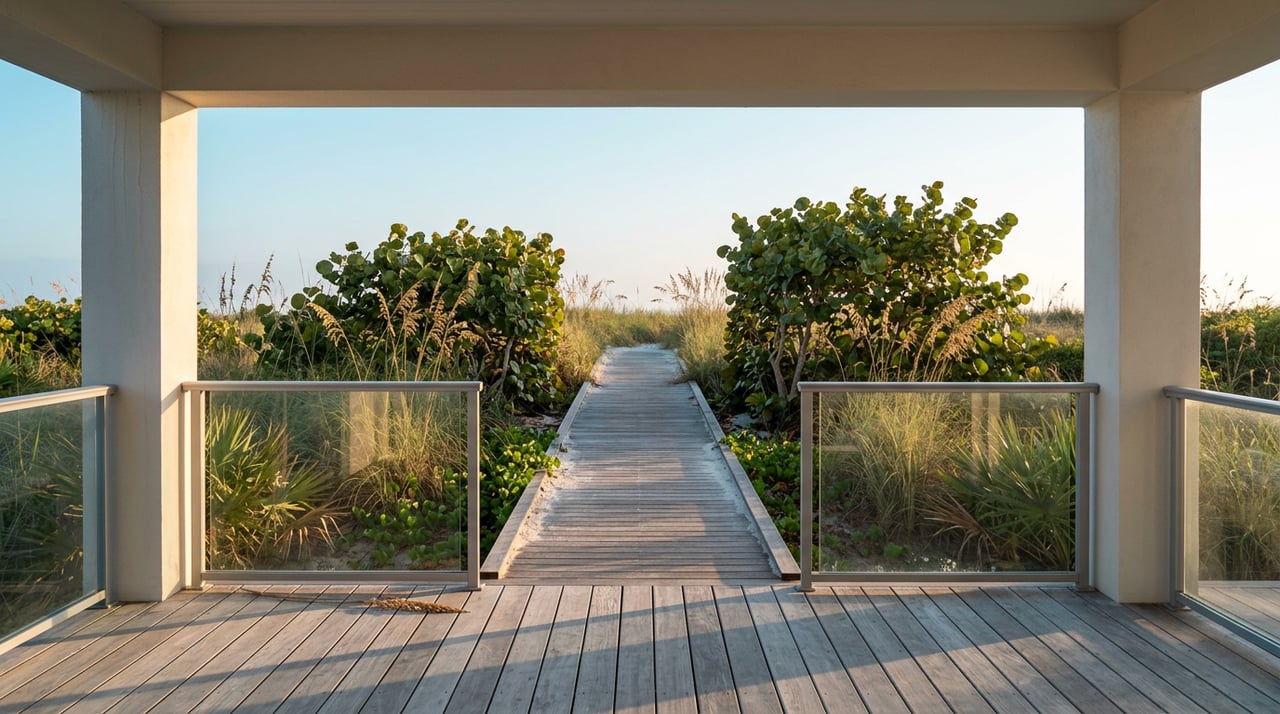
Oceanfront condos give you direct beach access, morning sunrise views, and the open Atlantic horizon. You can step from your building to sand for swimming, long walks, and relaxed days by the water. The setting carries strong address prestige and a classic beachfront vibe.
You will also experience more wind and surf noise, especially on higher floors and during onshore breezes. Airborne salt is stronger on the seaward side, which can affect outdoor furniture and exterior metals. Public beach access points can bring more activity near certain buildings during peak periods.
Choose oceanfront if your top priorities are daily beach time, horizon views, and the feel of living on the edge of the Atlantic. It often appeals to second-home and lifestyle-driven buyers who want a premium beachfront experience and are comfortable with potentially higher upkeep and fees tied to ocean exposure.
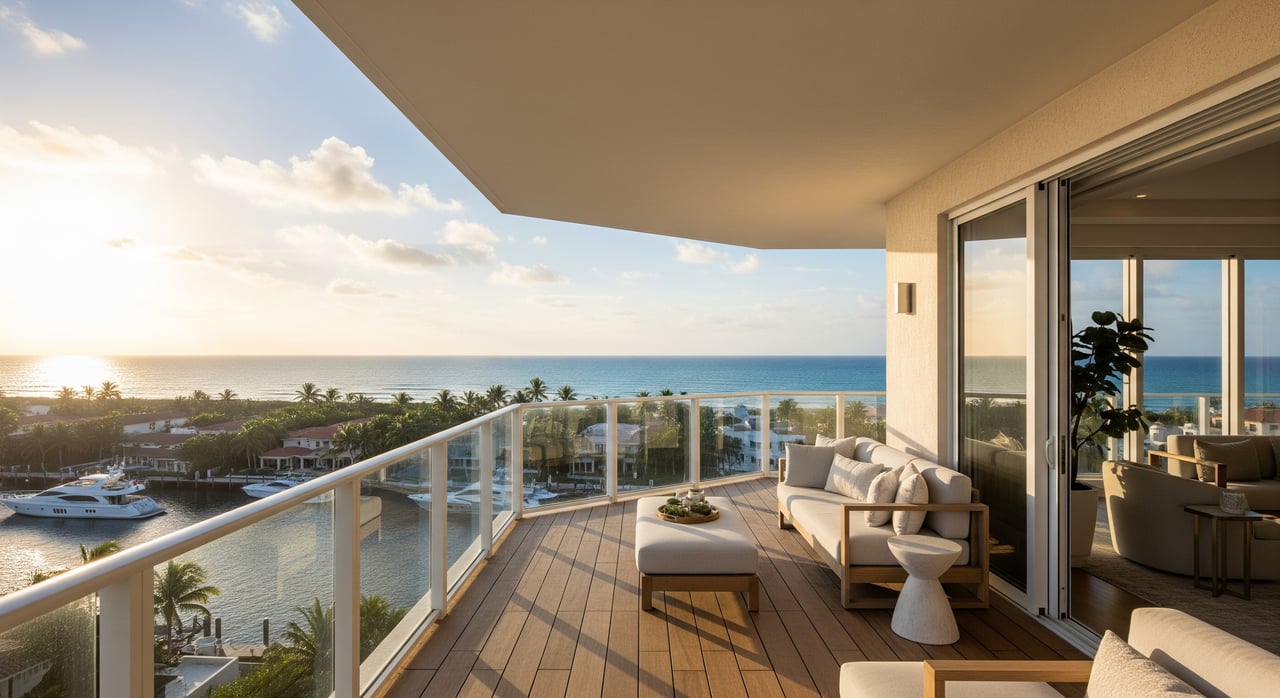
Intracoastal condos front the Lake Worth Lagoon/ICW, offering calmer water views, frequent boat activity, and often sunset-facing outlooks. You usually enjoy a more protected microclimate, with less wind and surf noise than the ocean side.
You will not have ocean swimming at your doorstep. Beach access typically means crossing the island or using nearby public access points. Many buildings are still a short walk or quick drive to the sand, but it is not direct.
Choose Intracoastal if you prioritize boating and dockage, or you want waterfront scenery with quieter conditions. Buyers who fish, paddle, or cruise, and those who value marina-style amenities, often find the Intracoastal the best fit.
Many Intracoastal buildings offer private docks, slips, and lifts with direct access to the ICW and a practical run to the Lake Worth Inlet. Calmer waters make docking, maintenance, and day-to-day use simpler. Slip programs vary by size, depth, ownership, and whether slips convey with units or are leased separately. Some communities use waitlists or rotation policies.
When you evaluate a building, confirm slip dimensions, mean low water depth, lift capacities, guest slip availability, dredging responsibilities, and any association rules that limit use.
Oceanfront condos typically do not provide on-site ocean slips. Surf and wave action make open Atlantic dockage impractical. If boating is a must, focus on proximity to the ICW or inlet access, and review nearby marina options. Oceanfront alone does not guarantee convenient deep-water access.
Both sides of the island support luxury amenities like pools, fitness centers, valet, and security. The emphasis differs by location:
Across the island, many buildings are a short drive or walk to dining, shops, and cultural venues. Walkability varies block by block, so confirm the exact distance to your favorites as part of your search.
Monthly assessments reflect building age and scope of services. Expect higher fees when a property offers full-service staffing, multiple amenities, or has recently completed capital work. Reserves, roof replacements, facade and balcony repairs, elevators, and security staffing all influence costs.
Waterfront exposure also matters:
In the marine environment, concrete spalling and metal corrosion progress faster. Many older concrete-frame buildings in South Florida undergo periodic concrete restoration, window and door upgrades to impact-rated systems, balcony repairs, and roof improvements. After 2021, awareness of structural safety, reserve planning, and timely recertification has increased. Always review recent reserve studies and the status of major projects.
Coastal Florida carries elevated wind and flood risk. Association insurance markets have been volatile. Both sides of the island face hurricane exposure, though oceanfront parcels are often mapped into higher coastal hazard categories. If you finance with a federally backed mortgage and the building sits in a FEMA-designated flood zone, flood insurance is required. Premiums vary by flood zone and elevation.
Property taxes follow Palm Beach County millage and exemptions. Assessed values tend to be higher for oceanfront parcels, which can raise annual taxes.
FEMA Flood Insurance Rate Maps classify areas by risk. Oceanfront parcels are more likely to fall in VE zones that account for wave action. Many Intracoastal parcels are in AE zones, though segments near inlets can also be VE. Sea-level rise and nuisance tidal flooding are active planning considerations for Palm Beach County, which influence insurance and building standards over time. Local code updates emphasize higher freeboard, stronger wind design, and resilience.
Following the Surfside collapse, Florida strengthened inspection and recertification requirements for certain condominium buildings, especially older high-rises. As a buyer, verify whether a building has completed required inspections, reserve studies, and any recommended structural repairs. Ask if special assessments are planned or underway.
Marine improvements such as docks, lifts, seawalls, and dredging often require permits from multiple agencies. Ownership and responsibility can be shared among unit owners, the association, or adjacent owners. Before you rely on a slip or plan changes, confirm permits, maintenance obligations, and any environmental restrictions that control timing and scope.
Association master policies typically cover common elements and building property with substantial wind deductibles. You will carry an HO-6 for interiors, contents, and loss assessment coverage, plus flood insurance if required. For buildings with docks, confirm how marine-related liabilities are insured at both the association and unit levels.
Oceanfront living in Palm Beach delivers the quintessential beachfront lifestyle, with direct sand access and sunrise views that never get old. You trade for higher exposure to salt, wind, and potentially higher HOA and insurance costs. Intracoastal living brings calmer panoramas, boat-friendly amenities, and often a lower price per square foot compared to oceanfront, but you will cross the island for the beach.
You cannot go wrong if you align your purchase with how you actually live. Focus on the association’s financial strength, the building’s inspection and restoration history, accurate flood and elevation details, and clear documentation for any dockage you plan to use. If you want help narrowing the field, reach out to the Hughes Browne Group to compare specific buildings and due diligence items that match your goals.

Whether by land or by sea, the properties and amenities in South Florida are of the highest quality, and this group of Real Estate Agents certainly follows suit.