Is a PGA National Second Home the Right Fit for You?
January 1, 2026

January 1, 2026
Thinking about a Florida base for the winter season, but not sure if PGA National is the right fit? You want easy living, strong amenities, and a community that welcomes part‑time residents without adding stress. In this guide, you’ll get a clear picture of how PGA National works for a lock‑and‑leave second home, from neighborhoods and memberships to HOA rules, costs, insurance, and rentals. Let’s dive in.
PGA National is a large master‑planned community in Palm Beach Gardens organized around the PGA National Golf Club and the PGA National Resort & Spa. It includes multiple gated neighborhoods and condominium associations rather than one large HOA. Each sub‑community has its own rules, fees, and amenities, so what you can do and what you pay will vary by address.
There are two distinct pieces to understand. The resort and golf club operate as commercial entities, and the residential neighborhoods sit adjacent to or within the master plan. Club memberships, resort access, and resident privileges are separate and may be optional or exclusive depending on the home and the membership category you choose.
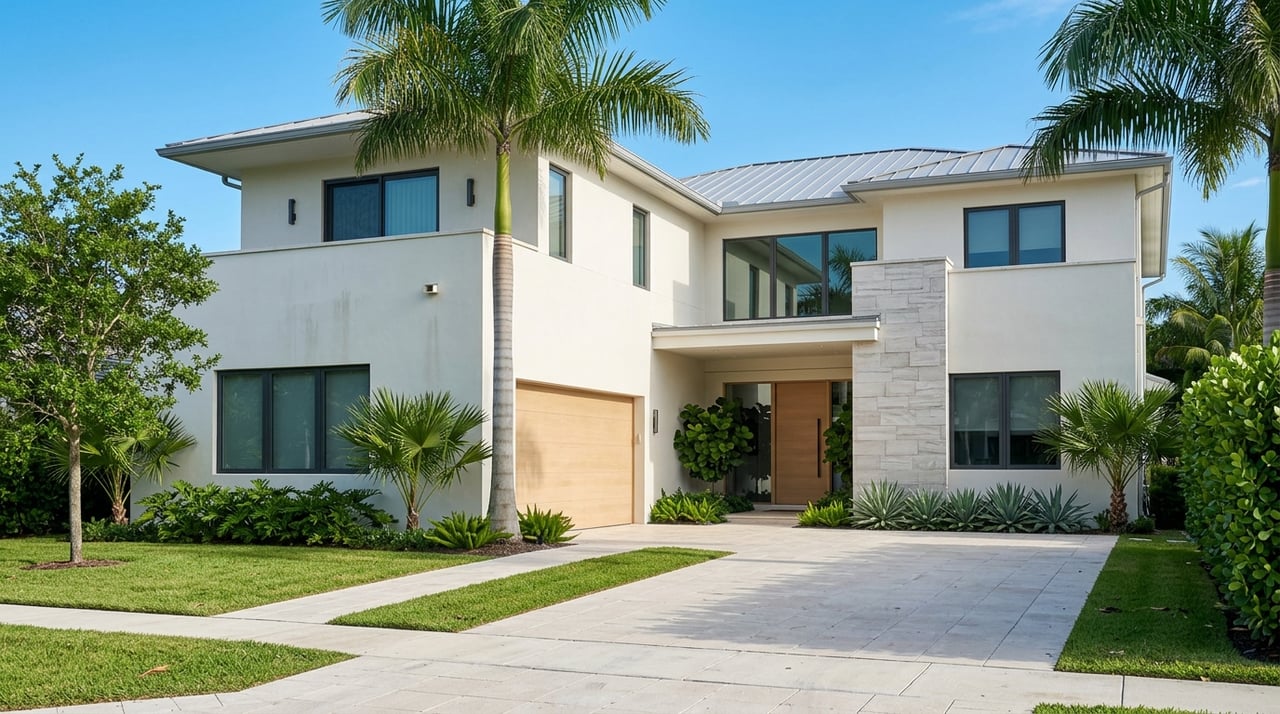
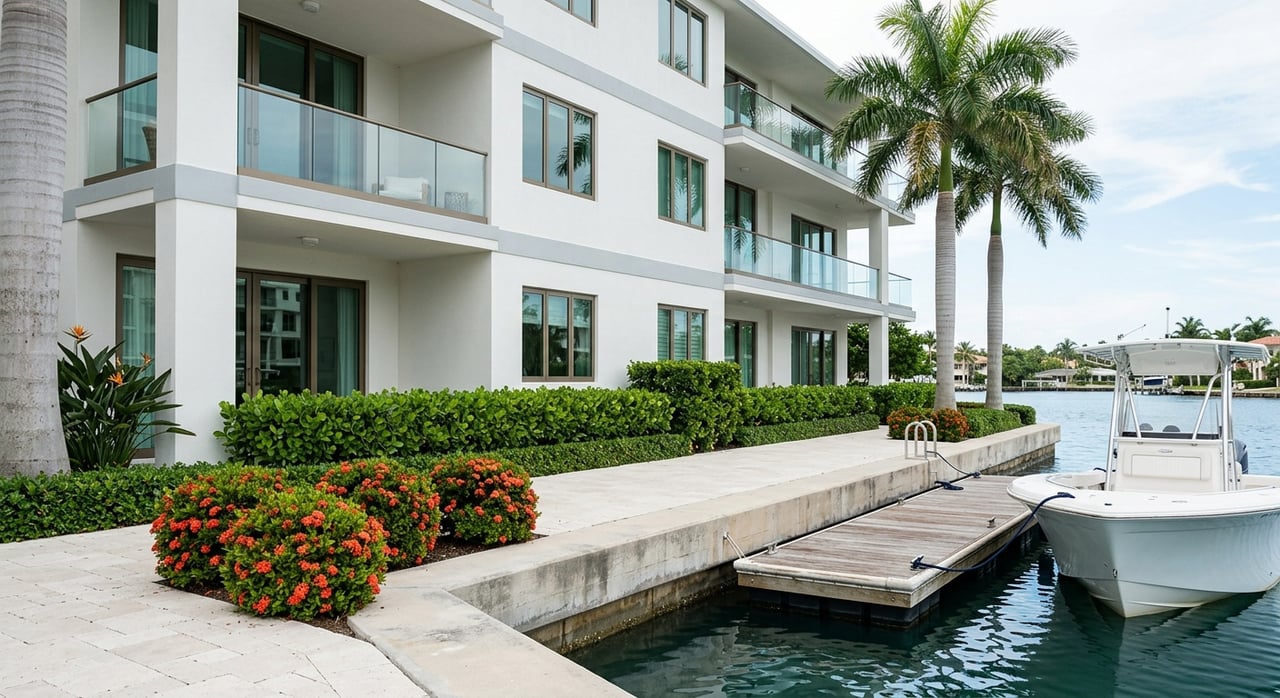
You can choose from condos and high‑rise units, townhomes and coach homes, or single‑family and estate properties. Condos usually deliver the simplest lock‑and‑leave setup because exterior maintenance and some utilities are covered by the association. Townhomes are a middle ground that often include common‑area care while giving you a bit more space.
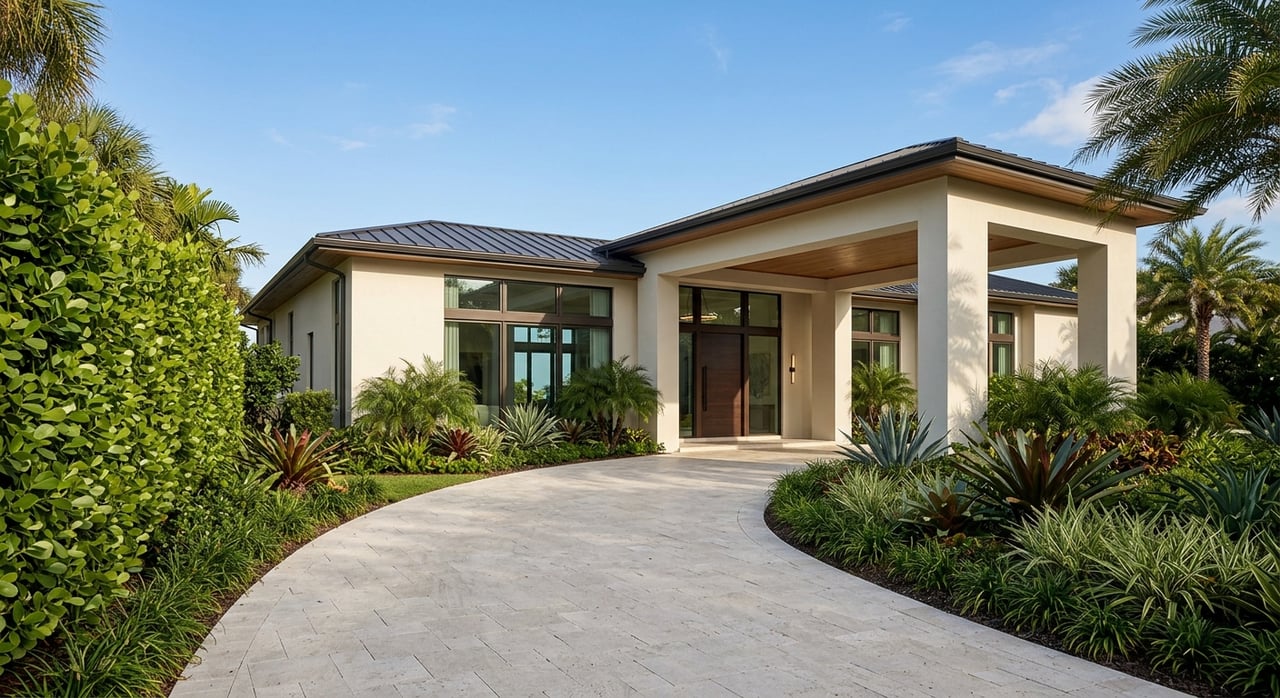
Single‑family homes and larger estate properties offer more privacy and room, but they bring more owner responsibility for landscaping and systems. The community includes both newer luxury estates and older condo product. If you are considering a building with age, confirm recent or planned capital projects such as roofs, elevators, or structural reserves.
PGA National is known for multiple signature golf courses, historically including the Champion Course that hosts a PGA Tour event. Not every homeowner has the same access to golf. Membership categories, initiation fees, dues, and guest policies are set by the club and can change.
If golf is your main driver, verify whether residency provides any access, whether there are resident or non‑resident categories, and how tee time priority works during the winter season. Ask specifically about member versus resort guest access when demand is highest from December through April. The right membership level can make or break your experience.
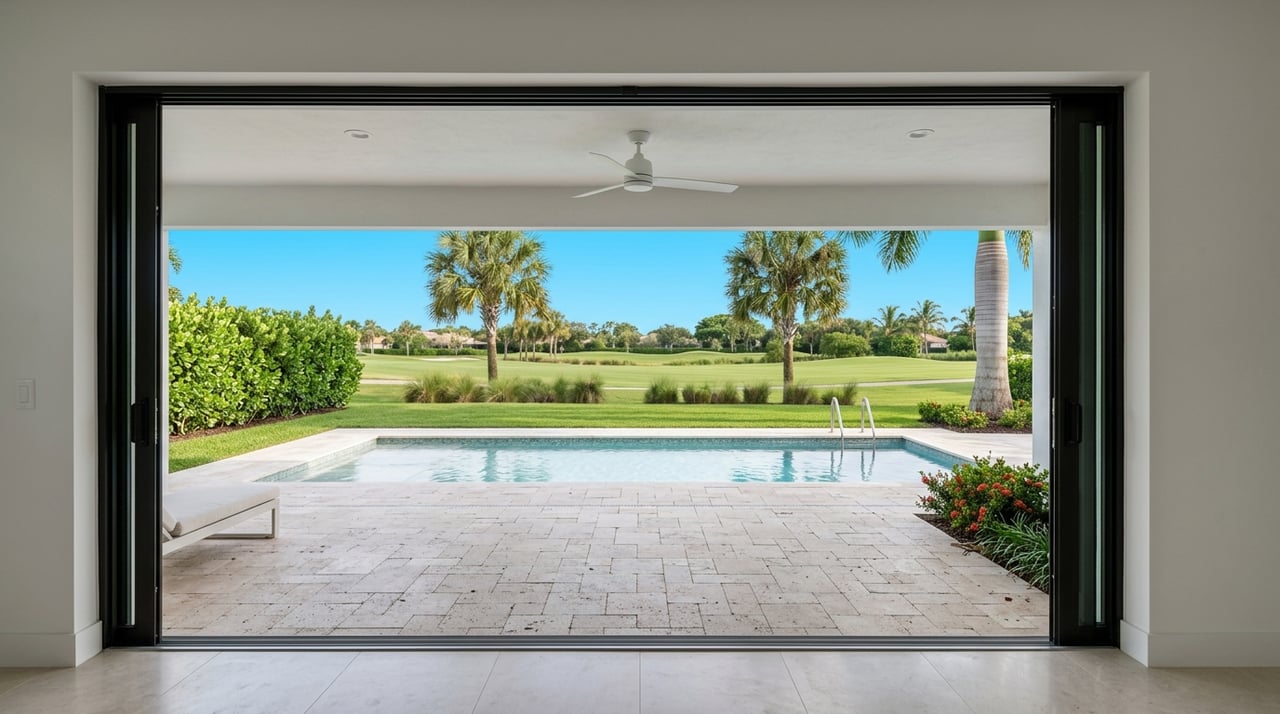
The PGA National Resort & Spa offers spa services, dining, a large fitness center, pool complex, and event spaces. Some residents can purchase access or receive discounts. Beyond the resort, many neighborhoods feature tennis and pickleball courts, fitness studios, pools, walking paths, social rooms, and organized clubs.
Programming often includes golf and tennis leagues, fitness classes, holiday events, and interest groups. Condo complexes and resort‑adjacent residences usually host more frequent events than standalone single‑family enclaves. If social life is important to you, review a sample seasonal calendar and ask about club or league waitlists.
Many condo and townhouse associations handle exterior maintenance, landscaping, pool care, and security, which is ideal if you will be away for months. Still, each community has rules that impact how you live and whether you can rent your place while you are gone. Confirm minimum lease terms, any short‑term rental restrictions, and owner occupancy requirements before you buy.
Clarify what your dues cover. Some HOAs include roof and exterior insurance, reserve contributions, landscaping, and even bulk cable or internet. Others do not. If a club membership is important, ask whether the property includes any membership rights or if joining is optional and separate.
Plan how you will handle mail, packages, and guest access. Communities differ on package lockers, guest lists, and policies for deliveries. Ask about vetted home‑watch services, HOA‑approved vendors for locksmith needs, and storm preparation support.
Decide who will manage utilities and seasonal maintenance. Determine whether irrigation, pool equipment, air‑conditioning service, and hurricane shutter storage are your responsibility or the association’s. For condominiums, review reserve studies and any planned capital projects so you are not surprised by special assessments later.
Florida does not have a state income tax, which is attractive for many seasonal owners. Property taxes are assessed by Palm Beach County based on the property’s assessed value and local millage rates. Second homes typically do not qualify for the homestead exemption.
Your monthly or quarterly HOA or condo fees can be a significant line item. Condo dues often include exterior maintenance and a master insurance policy, but you will still need unit coverage. Single‑family homes require full homeowners insurance. If you plan to pursue a club membership, include initiation fees and dues in your budget.
Hurricane season runs June through November, with peak activity from August through October. Insurance costs can be meaningful. Ask about wind‑mitigation features such as impact windows, shutters, roof reinforcements, and any completed HOA‑required upgrades that could reduce premiums.
Review the FEMA flood zone for the specific property and consider separate flood insurance if needed. Florida’s windstorm and property insurance markets have been volatile. Request recent insurance history for the home or building and obtain quotes from local brokers who work regularly in Palm Beach County.
Seasonal rental demand in Palm Beach Gardens and nearby beach towns typically peaks from December through April. Income potential depends on your HOA’s rental policy, local rules, and property condition. Some associations prohibit short‑term rentals while others set a minimum lease length.
If you plan to rent, confirm whether the city and county require a business tax receipt, transient rental registration, and the remittance of state sales tax and local tourist development taxes. The HOA’s rules and the municipal code both apply, so check both. Make sure your insurance and operations plan fit the rental expectations.
PGA National sits in Palm Beach Gardens with convenient access to beaches, shopping, dining, and medical services. You can reach Juno Beach and Jupiter Beach within a reasonable drive. The Gardens Mall, restaurants, and specialty clinics are nearby, and several hospitals serve the area.
Palm Beach International Airport in West Palm Beach is the primary airport for seasonal owners. Driving time often ranges from about 20 to 40 minutes depending on traffic and route. You also have quick access to I‑95 and Florida’s Turnpike for regional travel.
The region has a subtropical climate with warm, sunny winters and hot, humid summers. That winter weather is a major draw for snowbirds. Hurricane and tropical storm risk is real each year, so create a storm plan and learn your community’s protocols.
Flooding risk varies by property and elevation. Review the FEMA flood zone, confirm drainage features, and ask the HOA about storm communications and power outage procedures. A clear plan reduces stress when you are away.
Use this checklist to verify the details that matter most for a second‑home purchase at PGA National:
If you want a lock‑and‑leave Florida base with strong golf and resort access, PGA National is a compelling option. Condos and townhomes can simplify seasonal ownership, while single‑family homes deliver more privacy if you are comfortable coordinating vendors. The right choice comes down to your preferred neighborhood, membership needs, budget, and comfort with HOA rules.
You do not have to make the decision alone. If you want to compare sub‑communities, review governing documents, and align your membership and budget with your lifestyle, reach out to the Hughes Browne Group. We bring deep local knowledge and a high‑touch approach to help you choose confidently and enjoy your time in Palm Beach Gardens.
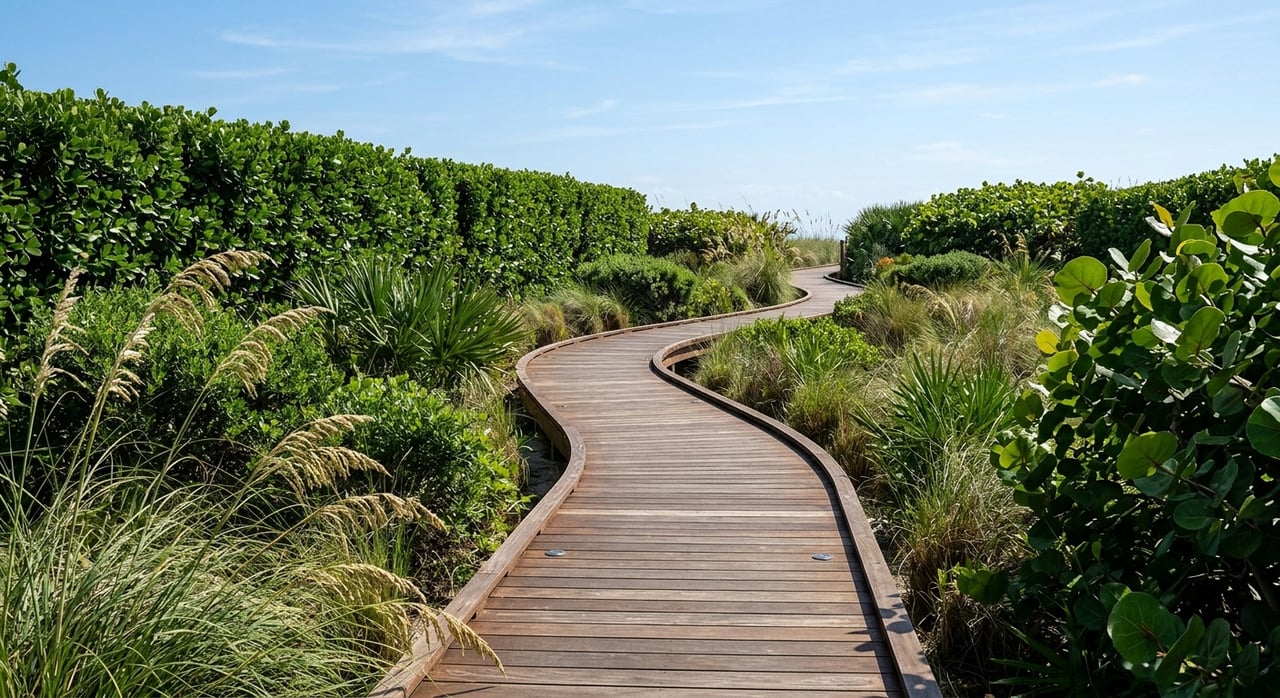
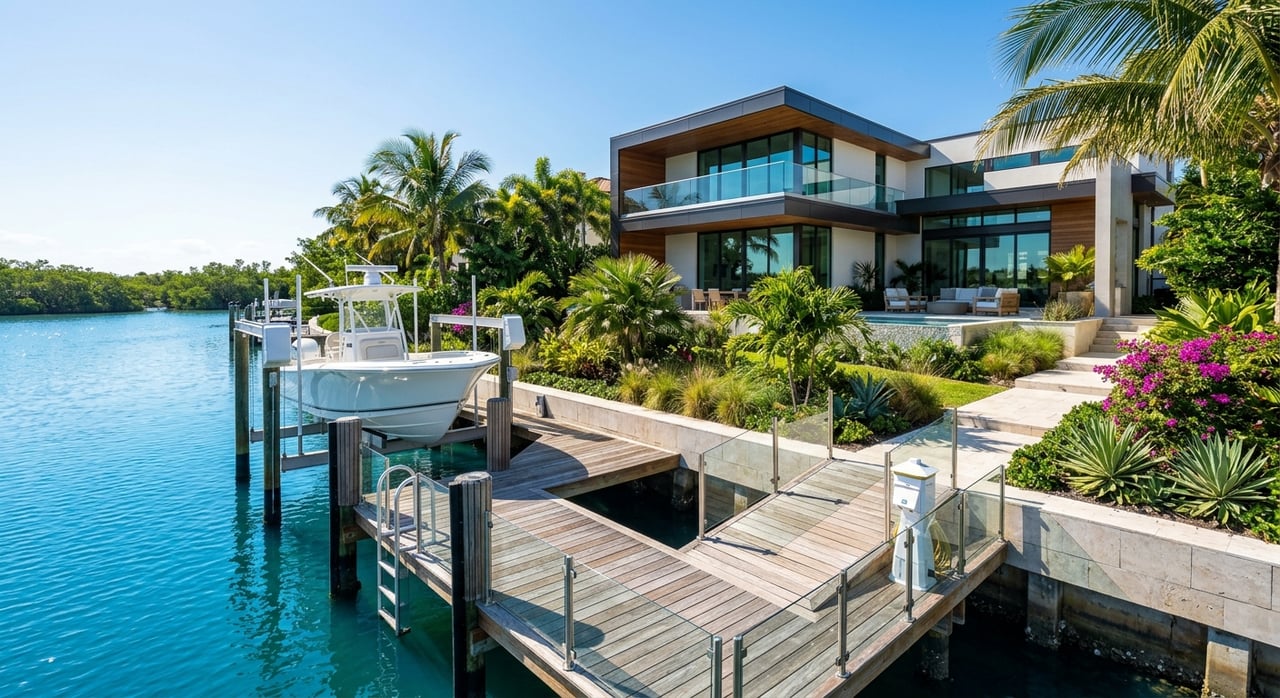
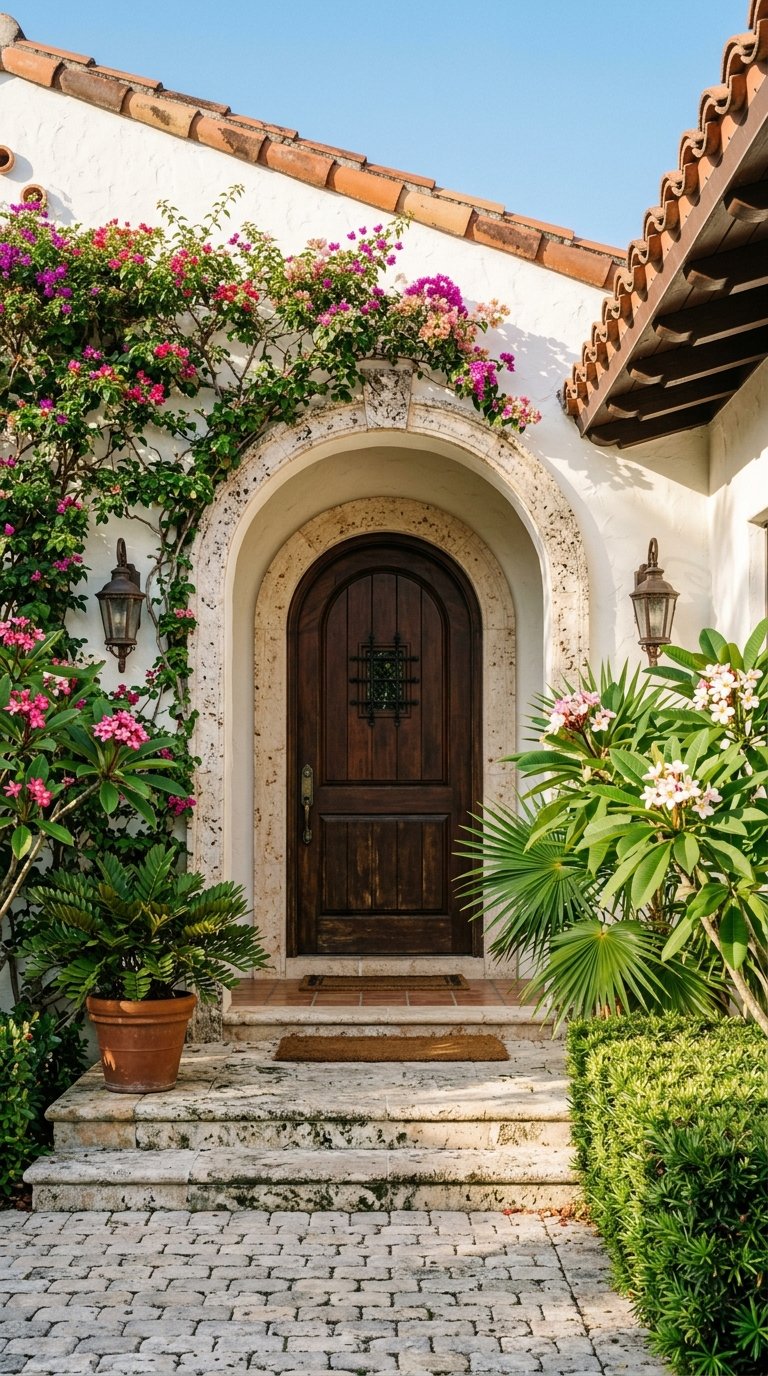
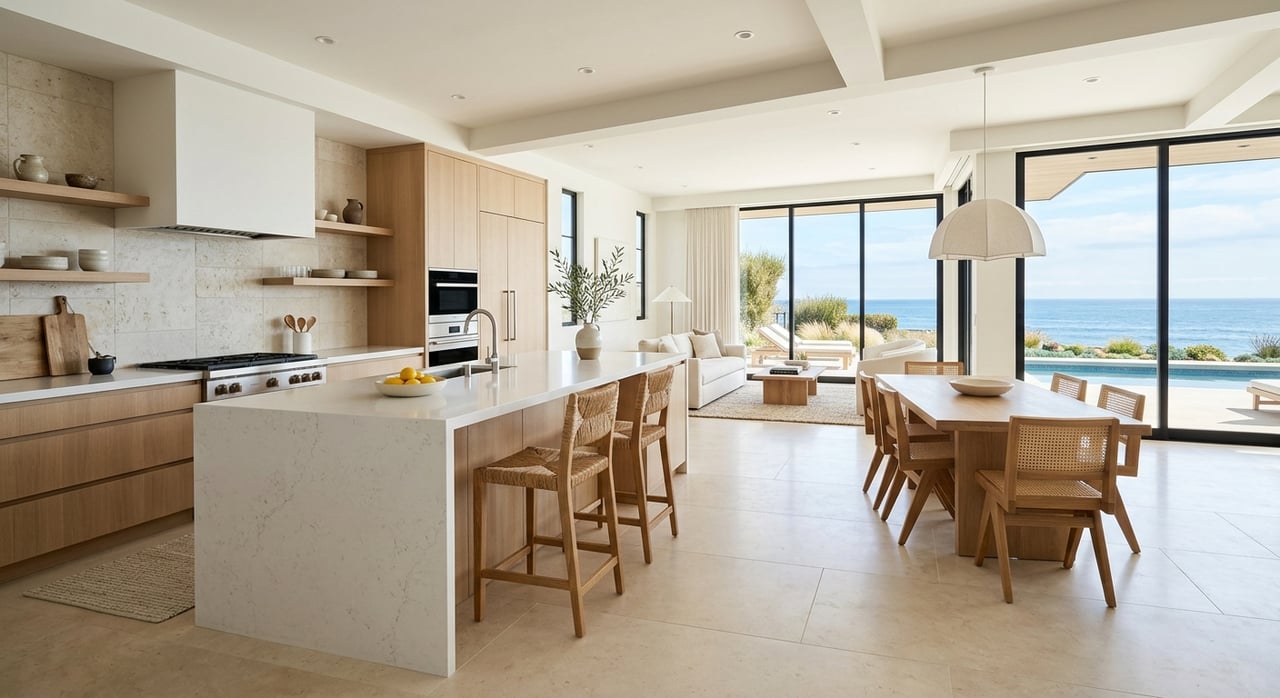
Whether by land or by sea, the properties and amenities in South Florida are of the highest quality, and this group of Real Estate Agents certainly follows suit.