Thinking about making PGA National your full-time home base in Palm Beach Gardens? You want the sunshine and club lifestyle without surprise dues, insurance shocks, or a mismatch in neighborhood vibe. In this guide, you’ll learn how the villages inside PGA National differ and how to compare them for year-round living, from housing types and HOAs to membership access and seasonal rhythm. Let’s dive in.
How PGA National neighborhoods differ
PGA National is a master-planned golf resort community in Palm Beach Gardens with multiple championship courses, a resort and club complex, and a range of residential options. You’ll find condos, villas and townhomes, single-family homes, and gated estate pockets. While the community is closely tied to the resort and club, homeownership and club membership are separate. Your lifestyle fit depends on the home type, HOA structure, and proximity to the amenities you plan to use most.
Housing types for daily life
Condos: low maintenance, easy lock-and-leave
Condos offer maintenance-free living where the HOA typically covers exterior, roof, and landscaping. You get convenience if you travel or prefer low upkeep. For full-time living, confirm hurricane shutter provisions and wind mitigation standards your lender may require. Expect more seasonal neighbors in winter, which can change the daily rhythm.
Best for: Buyers who value simplicity, travel often, or prefer not to manage exterior vendors.
Villas and townhomes: more space, limited yardwork
Villas and townhomes usually provide private entries and small yards. Some associations include exterior maintenance while others don’t, so verify what’s covered. This can be a comfortable middle ground if you want more privacy and storage than a condo without full yard responsibilities.
Best for: A balance of space and convenience with selective maintenance included.
Single-family and estates: privacy and room to spread out
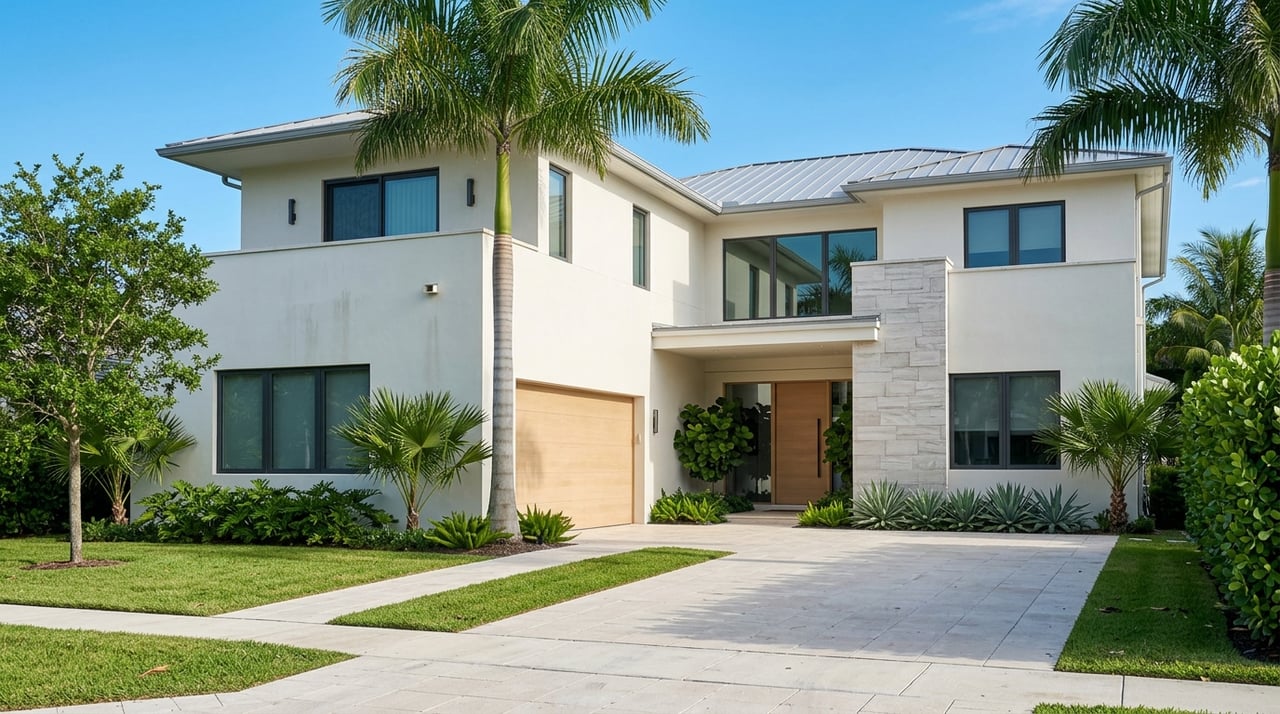
Single-family homes deliver larger lots, private yards and pools, and more storage. You’ll have higher maintenance responsibilities, including pools, landscaping, and storm prep. Taxes and insurance are often higher than condos or villas, and you’ll likely coordinate local service providers.
Best for: Households seeking privacy, a yard, or space for pets and hobbies.
Gated enclaves vs open pockets
Some villages are gated with private security and controlled visitor flow. Others are open but still within the PGA National master plan. If privacy and controlled access matter, prioritize gated pockets and ask about gate operations and security patrols.
Quick tip: Visit during both high season and summer to see traffic, visitor flow, and how quiet the streets feel.
HOA structure and fees
PGA National typically has a master association plus sub-associations for each village or condo. The master association often manages roads and shared community elements, while sub-associations handle building exteriors, roofs, and village-specific amenities.
- Verify dues and coverage. Confirm master and sub-association dues, what each includes, and how often dues have increased.
- Check reserves and assessments. Review the reserve study, current budget, and any pending or recent special assessments.
- Read the minutes. Meeting minutes and financials from the last 12 to 24 months reveal planned projects and community priorities.
- Note restrictions. Understand pet policies, parking rules, exterior modification guidelines, and guest access.
Club proximity and access
Living inside PGA National does not automatically include an equity golf membership. The club offers multiple tiers such as golf, social, and sports. Terms, initiation fees, and availability change over time. Some resale homes may include a transferable membership, but that is specific to the property and contract.
- If golf is essential, confirm whether a membership conveys with the home or whether you can purchase the tier you want.
- If you prefer fitness and social, a non-golf tier may fit at a lower cost.
- Proximity matters. Homes closest to the clubhouse and practice facilities are convenient if you plan to use the club daily.
Vibe and seasonal rhythm
Different pockets attract different lifestyles. Areas near the clubhouse and courses appeal to those who want an active calendar and daily amenity use. Quieter areas often draw buyers who prefer low-maintenance living and a slower daytime pace. Many neighborhoods see a winter population bump, especially condos, which can change parking patterns, traffic, and neighbor engagement.
Tip: If consistent year-round interaction with neighbors matters, ask your agent about owner-occupancy trends and seasonal patterns in that village.
Year-round living checklist
Use this checklist to compare short-listed homes and villages. Ask your agent to help gather documents and verify answers for each property.
HOA and governance
- Obtain governing documents, recent financials, current budget, and reserve study.
- Confirm master and sub-association dues and what they cover (roof, exterior, cable, internet, water, trash, security, lawn).
- Ask about special assessments or capital projects.
- Note restrictions for pets, vehicles, guest parking, and exterior changes.
Club membership and access
- Confirm whether a club membership transfers with the home or must be purchased.
- If not included, contact the club to confirm current initiation fees, tiers, waitlists, and annual dues.
- Ask about tee time access rules, reciprocity, guest policies, and cart fees.
Insurance and hurricane readiness
- For condos, verify the HOA’s master property and wind policies; for single-family homes, plan for separate homeowner policies.
- Determine flood zone status for the specific lot and factor flood insurance into your budget if required.
- Review impact glass and shutter policies and who is responsible for installation and maintenance.
- Confirm evacuation routes and local shelter information for your planning.
Rentals and occupancy
- If you may rent, verify HOA rules on minimum lease terms, caps on rentals, and any waiting periods.
- Check City of Palm Beach Gardens rental regulations and permitting requirements.
- Confirm if short-term rentals are allowed; many resort communities restrict them.
Utilities, services, and maintenance
- Clarify who handles landscaping, pool care, pest control, painting, and roof maintenance.
- Confirm parking allocations, guest parking, and whether water and sewer are separately metered.
- Ask about internet and cable providers and typical speeds if you work from home.
Schools, commute, and services
- Confirm public school assignments through the school district and explore proximity to private schools if needed.
- Map commute patterns to West Palm Beach employment centers and Palm Beach International Airport via PGA Blvd, I-95, and the Florida Turnpike.
- Note proximity to groceries, pharmacies, healthcare, and urgent care.
Neighborhood safety and security
- Ask if the village is gated and whether there is private security patrol.
- Review crime statistics through city or county tools for your due diligence.
Resale and market factors
- Ask your agent for village-level sales trends and how long similar homes take to sell in season and off-season.
- Verify inventory patterns and whether any age-related deed restrictions apply.
Decision matrix: shortlist smarter
When you compare homes across villages, weigh these axes and score each property from 1 to 5 to keep choices objective.
- Budget: Entry-level condos and villas, mid-range townhomes or smaller single-family, and higher-end estate lots or turnkey homes with possible club privileges.
- Maintenance preference: Low (condo/villa with extensive coverage), medium (townhome with some exterior included), high (single-family with private lot and pool).
- Amenity priorities: Full golf and club lifestyle, fitness/pool and social focus, or quiet residential settings away from event traffic.
- Rental plans: Short-term or seasonal rentals if permitted, or long-term rentals under HOA rules.
- Family needs: Proximity to schools and parks, yard space, and pet policies.
Add the scores and compare the totals to see which options fit best.
On-the-ground testing tips
- Walk the village at different times. Compare morning, mid-day, and evening noise and activity.
- Visit in and out of season. If possible, tour in winter and summer to experience parking, traffic, and social energy.
- Drive your daily routes. Test the drive to grocery stores, healthcare, and your most-used roads.
- Stand at the property line. Listen for course maintenance, event activity, or nearby roads.
People and documents to line up
As you zero in, assemble your advisory team and paperwork:
- HOA documents: CC&Rs, bylaws, rules and regulations, meeting minutes, current budget, reserve study, insurance certificates, and management company contact.
- Club materials: Membership tiers, initiation costs, annual dues, member rules, and transfer policies for resales.
- Property records: Palm Beach County Property Appraiser data for taxes and parcel details.
- Flood and insurance: FEMA flood determinations and quotes for wind/hazard and flood coverage from local agents familiar with PGA National.
- Financing: A lender experienced with Florida condos and project approvals, if applicable.
- Title and closing: A title company with experience in master-planned resort communities.
- Local agent: A PGA National specialist to provide comps, insight on specific villages, and contract strategy.
Next steps with a local advisor
- Define your top priorities: budget, maintenance level, must-have amenities, and any rental plans.
- Have your agent pull village-level comps from the past 12 to 24 months and map dues by address.
- Request HOA packets for your shortlist and review reserves, assessments, and restrictions.
- Contact the PGA National membership office to verify membership availability and tiers for each target home.
- Get insurance pre-quotes for wind and flood.
- Tour your top villages in peak and off-peak seasons if timing allows.
- Confirm condo project approval with your lender if financing a condo.
Buying for year-round living in Palm Beach Gardens is about fit as much as finish. When you match housing type, HOA structure, and club access to your daily rhythm, you get the Florida lifestyle you came for without surprises. If you want a seasoned guide to help you compare villages line by line and negotiate with clarity, reach out to the team that lives and works this market every day. Start a conversation with the Hughes Browne Group.
FAQs
How do HOA fees work inside PGA National?
- Most homes pay a master association plus a village or condo sub-association. Confirm both dues, what they cover, reserve health, and any planned assessments.
Is club membership required to live in PGA National?
- No. Homeownership and club membership are separate. Some resales may include transferable memberships, so verify what conveys before you write an offer.
Are condos a good fit for full-time residents in PGA National?
- Yes, if you want low maintenance and lock-and-leave convenience. Confirm wind mitigation standards, shutter or impact glass policies, and owner-occupancy trends.
What should I know about hurricane and flood insurance in PGA National?
- Coverage depends on property type and flood zone. Condos often have master policies; single-family homes require separate policies. Verify flood zone status and get quotes early.
Can I rent my PGA National home seasonally or short-term?
- It depends on the village rules and city regulations. Many HOAs limit short-term rentals and may require minimum lease terms or caps. Confirm before you buy.
How can I compare two PGA National villages quickly?
- Score each home on budget fit, maintenance level, amenity proximity, rental flexibility, and family needs from 1 to 5. Add the totals to see which option aligns best.