Singer Island Condos Or Homes: Choosing Your Fit
March 24, 2026
March 24, 2026
Picture your perfect day on Singer Island: sunrise over the Atlantic or a sunset cruise on the Intracoastal. If you are torn between a high-rise condo and a single-family home or townhouse, you are not alone. Each path offers a distinct lifestyle, cost profile, and set of responsibilities. In this guide, you will learn the key tradeoffs, price ranges, boating access, insurance and rental rules, plus a simple checklist to choose with confidence. Let’s dive in.
Singer Island is a narrow barrier island in Palm Beach County, with most of the island inside the City of Riviera Beach and the town of Palm Beach Shores at the southern tip. You can confirm the geography and jurisdictions in the Singer Island overview.
Housing here skews condo heavy. Oceanfront towers line the beach, while Intracoastal-side condos and townhomes cluster near marinas. Single-family homes exist in smaller pockets, especially bayside and in Palm Beach Shores. This mix creates a clear choice: ocean-focused, lock-and-leave towers or more private, dock-ready living on the west side.
If waking to the horizon is your priority, oceanfront buildings on the east side deliver direct beach access and panoramic views. Many owners choose this for a true resort feel and easy, car-light living near the sand and local dining.
Most high-rise communities include resort-style pools, fitness centers, clubrooms, tennis or pickleball, gated access, 24-hour front desk or security, covered parking, and on-site management. Monthly association dues fund these services. The tradeoff is clear: less personal upkeep in exchange for a predictable fee.
On Singer Island, you will commonly see monthly condo dues in the range of about $1,200 to $1,800 or more in full-service buildings. Smaller or older properties can be lower, but may offer fewer services or have higher long-term reserve needs. Always request budgets, reserve studies, and recent assessment history for a full picture of risk.
These are ballpark ranges to help frame expectations. Always confirm current pricing trends in the MLS at the time you shop.
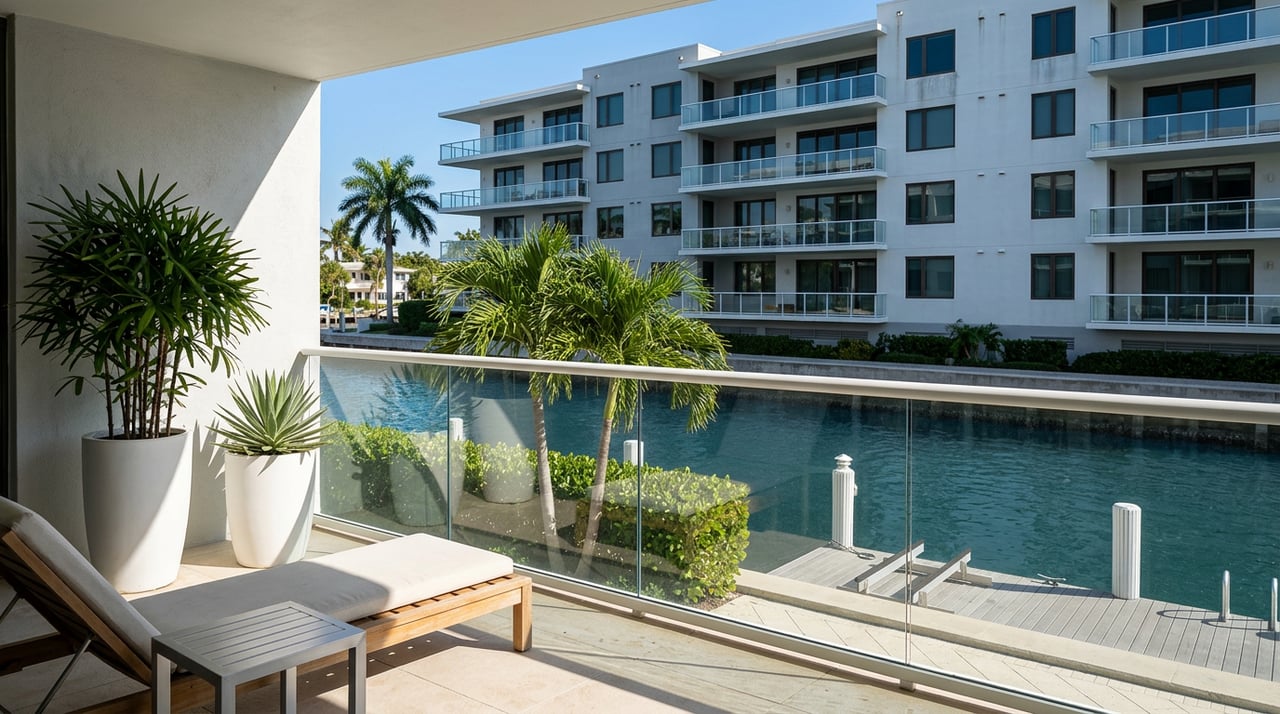
On the Intracoastal side and in Palm Beach Shores, single-family homes and some townhomes offer more private outdoor areas, garages, and the option to add or enjoy private docks. If boating is a central part of your lifestyle, this side of the island often makes more sense. For a feel of Intracoastal condo living with marina adjacency, review communities near Lake Shore Drive; for example, see an Intracoastal-oriented condo residence.
Outside of a full-service HOA, you will handle landscaping, pool care, exterior upkeep, seawall and dock maintenance, and storm preparation. Townhomes vary by association, so check what exterior items the HOA covers. For condos, Florida’s condominium statute outlines association duties and reserve requirements, which is helpful context if you are comparing structures. You can read the statute in Florida Statutes Chapter 718.
Waterfront houses can face higher wind and flood costs. Palm Beach Shores publishes local flood facts and FEMA map guidance to help owners understand risk. Budget time to obtain an elevation certificate and quotes for both homeowner and flood policies before you finalize an offer.
Singer Island sits near the Lake Worth Inlet, which means quick access to offshore fishing and cruising. The area is served by established marinas and public ramps. For a helpful roundup, see this guide to top marinas in the West Palm Beach area. Slip availability changes often, and premium sizes can require waitlists or separate leases. If docking matters, make slip rights and maintenance responsibilities part of your offer due diligence.
Short-term rentals are regulated at the county and city level. Palm Beach County requires registration and collection of the Tourist Development Tax. Municipalities add their own requirements. Palm Beach Shores requires a vacation-rental permit under its ordinance; you can review the process on the town’s vacation rental permit page. Riviera Beach requires the proper local licensing and inspections; use the city’s site as your starting point for Riviera Beach requirements.
Condo and townhome associations often set minimum lease terms and seasonal caps. Some buildings prohibit short-term rentals. If rental income is part of your plan, verify association rules and application timelines before you write an offer.
Singer Island is coastal and low-lying, so flood risk awareness is essential. If a property is in a FEMA Special Flood Hazard Area, lenders typically require flood insurance. You can confirm a property’s flood zone using FEMA’s Map Service Center. Even outside mapped high-risk zones, many coastal owners choose to carry flood coverage.
Florida’s condo insurance market has been volatile, which can influence association premiums and special assessments. Follow local reporting on proposed legislation that aims to manage wind coverage costs, such as this news update on condo insurance bills. When you review a building, request the master policy, wind limits, hurricane deductible structure, and recent claims history.
To compare apples to apples, build a total monthly cost for each property type.
A smaller condo’s entry price can be lower than a house, but dues and assessments may offset that gap. A house can command more upfront capital and maintenance, but gives you full control over improvements.
Whether you lean toward the horizon views of an oceanfront tower or the freedom of a dock-equipped home, the right choice comes down to how you plan to live on the island. Clarify your must-haves, pressure-test the total monthly cost, and do your homework on insurance, flood, and rental rules. If you want a local, private look at both options, reach out to the team that knows Singer Island inside and out. Start a tailored conversation with Hughes Browne Group to compare properties, amenities, and tradeoffs side by side.
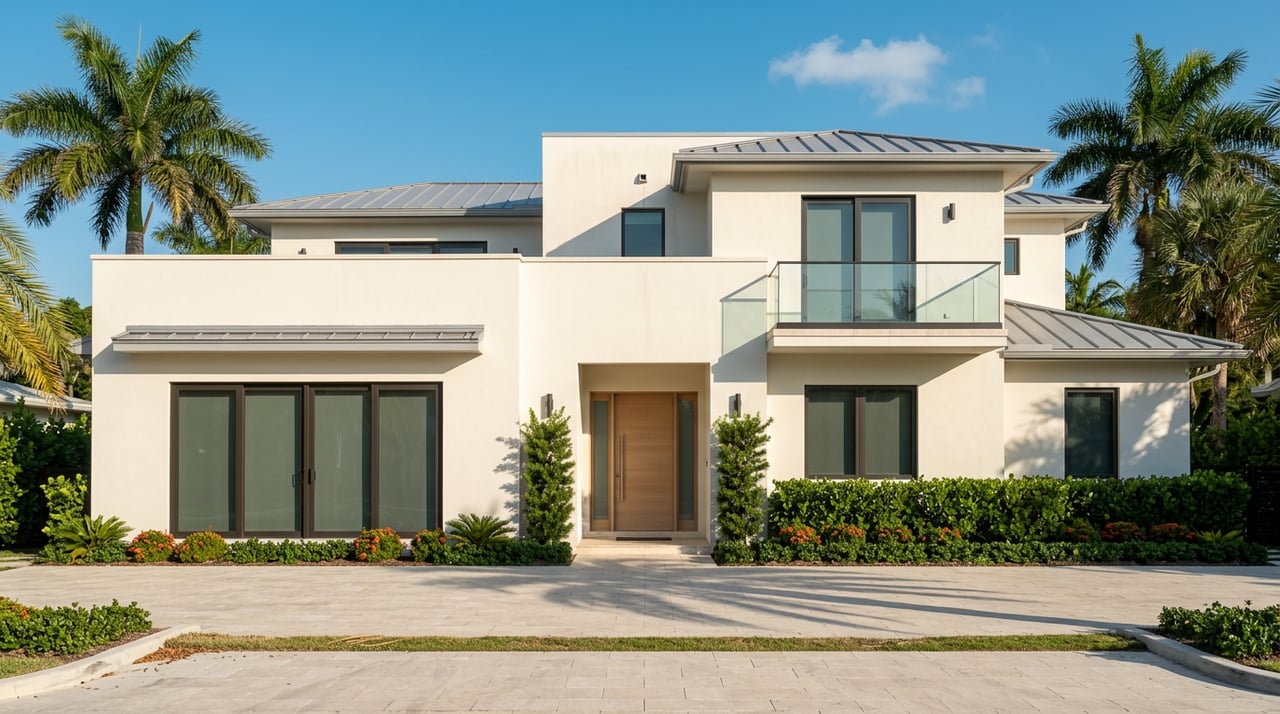

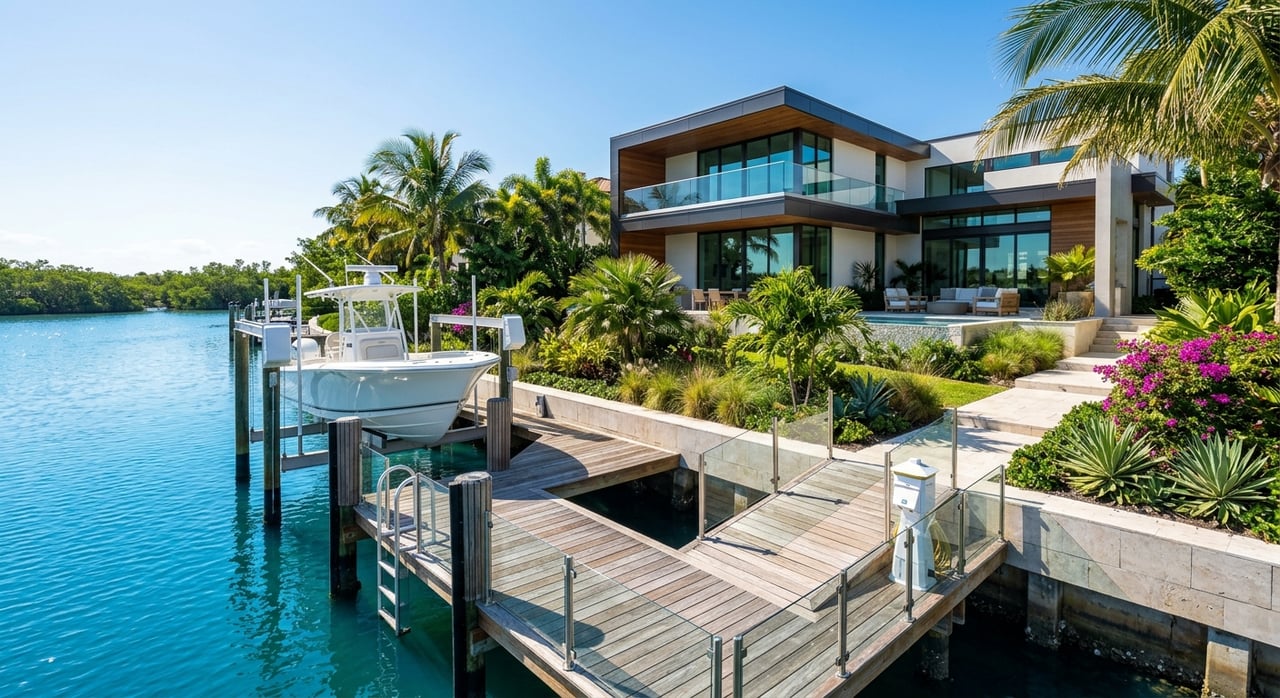


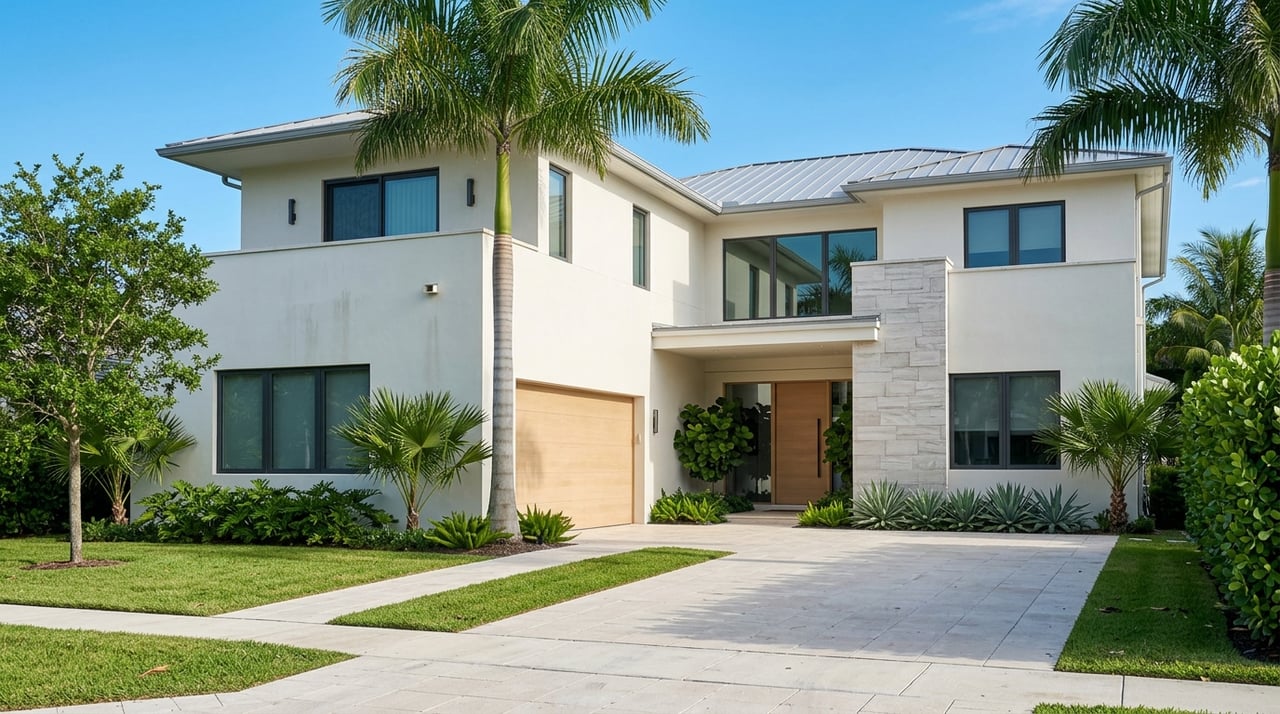
Whether by land or by sea, the properties and amenities in South Florida are of the highest quality, and this group of Real Estate Agents certainly follows suit.