Seasonal Living In Palm Beach: What To Expect
May 21, 2026
May 21, 2026
If you are thinking about spending part of the year in Palm Beach, timing shapes almost everything. From winter events and fuller social calendars to stricter rental rules and a high-cost housing market, seasonal living here feels different from many other coastal destinations. Understanding that rhythm can help you plan more confidently, whether you are exploring a second home, a longer seasonal stay, or a future purchase. Let’s dive in.
Palm Beach has a well-defined high season that typically begins around Thanksgiving and carries through the winter and into spring. Discover The Palm Beaches highlights this period with recurring events such as the Palm Beach Holiday Boat Parade, Palm Beach Food & Wine Festival, Art Palm Beach, the Winter Equestrian Festival, and the Palm Beach Show.
That seasonal pulse shows up in the town’s housing profile too. Census data estimates Palm Beach’s 2025 population at 9,423, with a high owner-occupancy rate and a median owner-occupied home value above $2,000,000. The Town’s comprehensive plan also reported thousands of units classified as seasonally vacant or held for occasional use, which helps explain why winter often feels more active and social than other times of year.
For you, that means Palm Beach may feel like two places in one. In peak season, the town is busier, more event-driven, and more in demand. In the shoulder seasons, the pace can feel calmer and more locally oriented.
Seasonal living in Palm Beach is often built around outdoor time, social routines, and cultural programming. The Town of Palm Beach notes that the island has 12 miles of beachfront and two public beaches, both with lifeguard safety services every day of the year.
Beyond the beach, the town points to the nearly six-mile Lake Trail, the Palm Beach Par 3 Golf Course, tennis at Seaview Park and Phipps Ocean Park, the Mandel Recreation Center, and the Town Marina. Palm Beach County also reports that ocean rescue guards serve oceanfront and inlet parks from Tequesta to Boca Raton, generally year-round.
If you enjoy an active lifestyle, Palm Beach offers a strong base for simple daily routines. A morning walk on the Lake Trail, an afternoon at the beach, a tennis lesson, or a round at the Par 3 can become part of a regular pattern, especially during the winter months when many seasonal residents are in town.
Palm Beach’s dining and shopping core centers around Royal Poinciana Way, Worth Avenue, and Royal Poinciana Plaza. The town describes the area as home to nationally and internationally acclaimed restaurants and chefs, giving seasonal residents a concentrated set of options close at hand.
The social calendar also tends to build around the broader county event schedule. Winter and spring bring a steady flow of holiday programming, art events, equestrian competitions, tennis, boat shows, and other seasonal gatherings across the Palm Beach area.
For many second-home owners and seasonal residents, this is part of the appeal. The season often brings a sense of momentum, with more events, more visitors, and a more active social atmosphere than you may find in the summer or early fall.
Palm Beach’s cultural life extends beyond the island itself. The Society of the Four Arts offers hundreds of programs, mostly from November through May, including concerts, exhibits, workshops, films, libraries, and sculpture gardens.
In nearby West Palm Beach, the Norton Museum of Art hosts Art After Dark every Friday night with tours, workshops, live performances, and monthly Jazz Friday programming. The Kravis Center also adds another layer of performing arts programming during the winter season.
If you want more than sun and sand, this broader cultural access is part of what makes seasonal living here feel rounded and established. You are not limited to resort amenities alone. You also have regular access to arts, performance, and educational programming throughout the season.
One of the most important things to understand about seasonal living in Palm Beach is that it is not a casual short-term rental market. The Town of Palm Beach says short-term rentals, including Airbnb-style rentals, are strictly prohibited.
The town’s FAQ states that residential occupancy generally must be at least three months. Occupancy for less than three months is limited to no more than three times per calendar year. The town also notes that long-term rentals are allowed if only one property is being rented.
That framework matters if you are comparing Palm Beach with other resort destinations. Palm Beach operates much more like an ownership and longer-lease market than a quick-turn vacation-rental market.
If you plan to rent for the season, you should expect to prepare early and think in longer blocks of time. Inventory may feel tighter during high season because the town’s rules limit short stays and because the broader market has a strong winter demand pattern.
Parking rules are another practical detail to know. According to the town, hotel stays or rentals under 12 months are not eligible for resident parking permits. Depending on where you stay and how often you drive around town, that can affect your day-to-day convenience.
For renters, the key takeaway is simple: Palm Beach rewards planning. If your goal is to spend the season here, it is wise to think ahead about timing, occupancy length, and the specific logistics of the property you are considering.
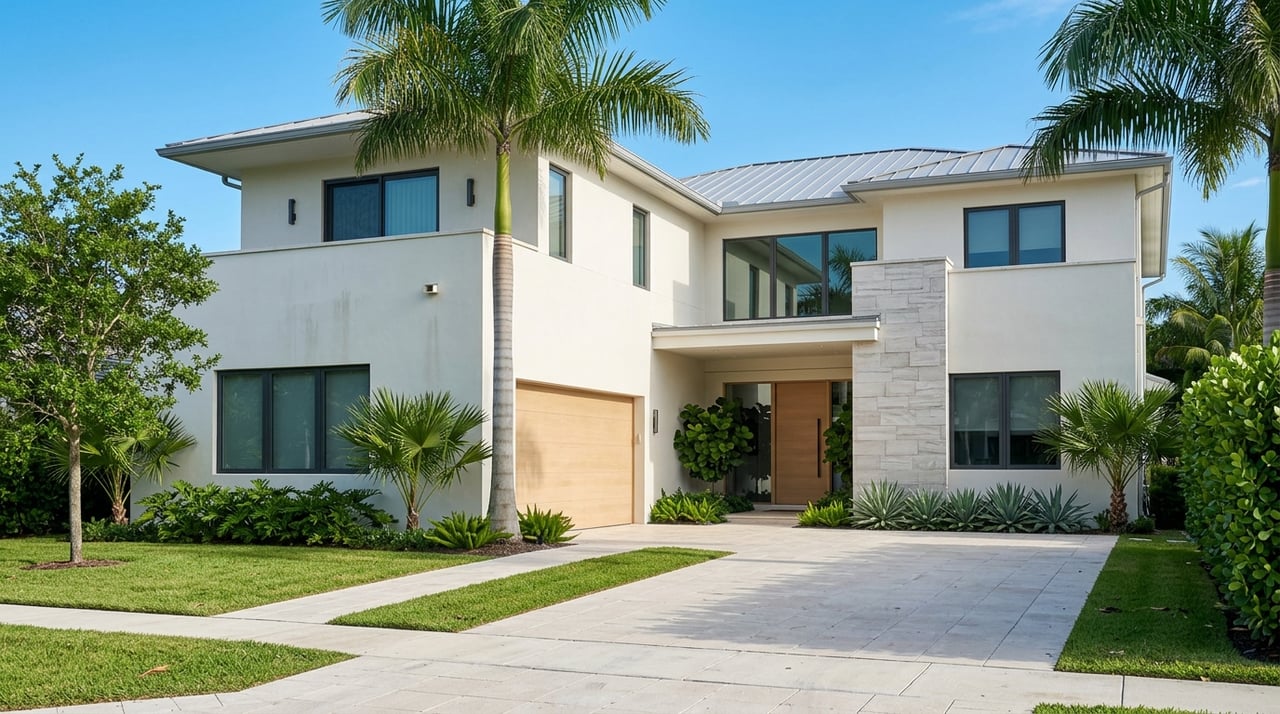
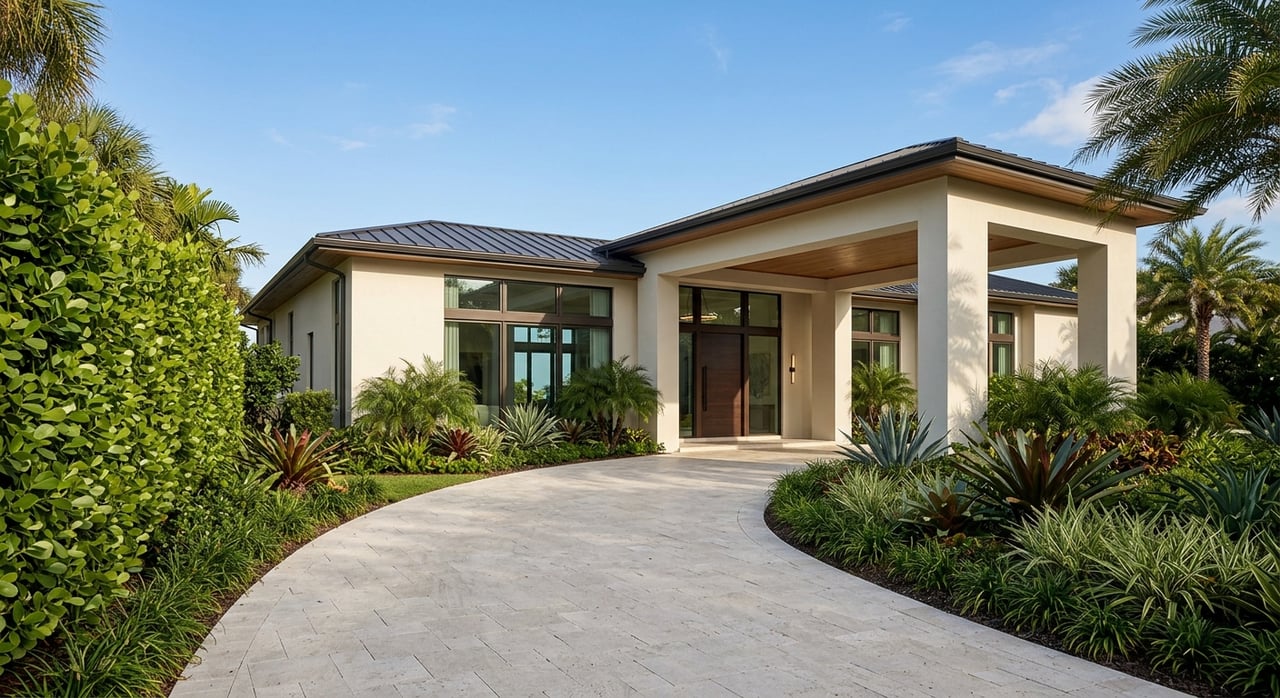
For buyers, the same rules can make ownership especially appealing if you want flexibility and consistency from year to year. Palm Beach is primarily a residential community, and the town’s planning materials describe zoning and land-use controls designed to preserve that character.
That regulated environment is part of what sets the market apart. If you are looking for a seasonal home in a place that is more residential than transient, Palm Beach offers a distinct model. It is structured, highly regulated, and shaped around long-term ownership patterns.
Palm Beach is a high-cost market, and it helps to go in with realistic expectations. As of April 30, 2026, Zillow reported an average home value of $2,071,518, a median sale price of $2,481,667, 356 homes for sale, and a median time to pending of 93 days.
Rental pricing also reflects the market’s premium nature. Zillow reported an average rent of $8,647, while Census QuickFacts showed a median gross rent of $2,311. Because those figures use different measurement methods, they are best read as broad signals rather than direct comparisons.
If you are evaluating a seasonal purchase, these numbers show why planning and market guidance matter. Palm Beach is not simply expensive in peak season. It is a luxury residential market with high baseline values, limited flexibility around occupancy, and a distinct ownership profile.
Even though Palm Beach feels private and residential, access is part of its appeal. The Palm Beaches reports that Palm Beach International Airport offers more than 200 daily flights on 12 major airlines, with Fort Lauderdale and Miami also nearby.
The Town of Palm Beach also notes that Brightline and regional airport connections make it easier to move in and out during the season. For seasonal residents, that convenience can make a real difference, especially if you split time between Florida and another home base.
In practical terms, Palm Beach is easier to use as a seasonal home than some destinations that require more complicated travel. That accessibility supports the town’s strong second-home and occasional-use housing pattern.
If Palm Beach is on your radar, it helps to approach the process with a clear strategy. Seasonal living here works best when you align your timing, housing goals, and lifestyle expectations with the way the market actually functions.
A few practical points can help you get started:
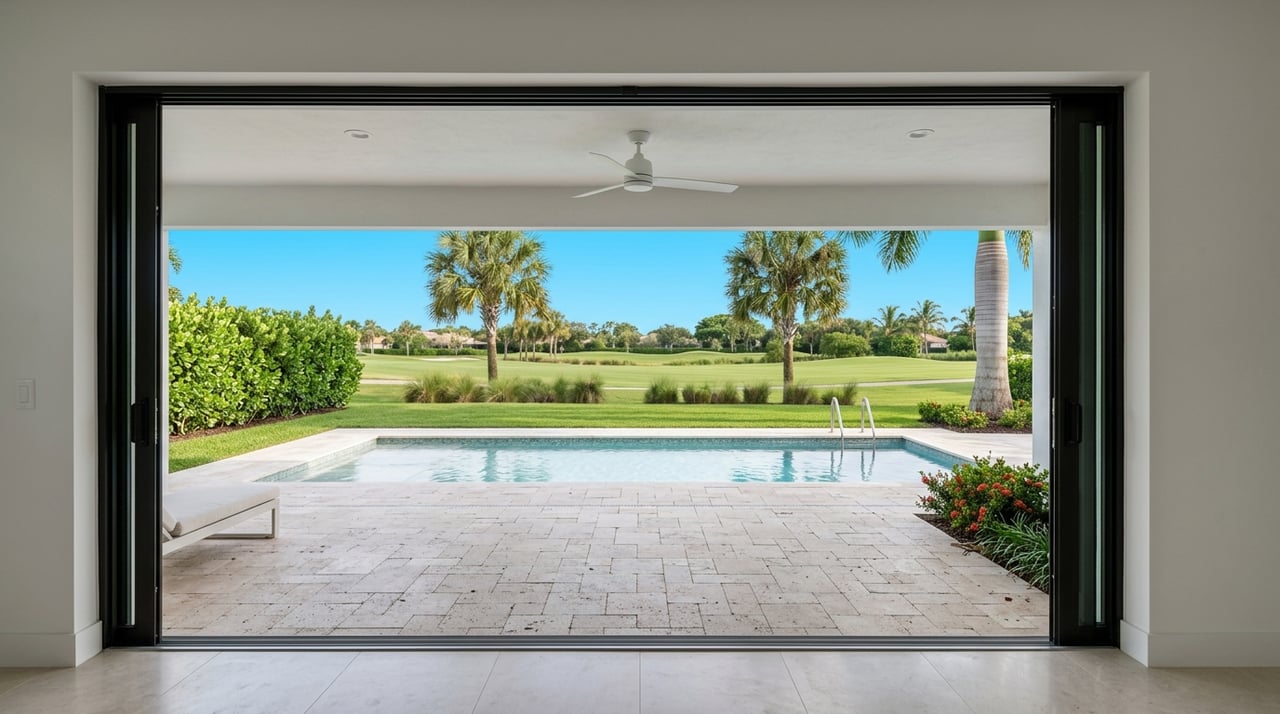
For many buyers, Palm Beach stands out because it offers more than seasonal sunshine. It combines beach and golf access, a steady winter social calendar, cultural depth, and a housing market built around ownership rather than short-term turnover.
If you are considering a seasonal home in Palm Beach or anywhere in the broader area, working with a team that understands second-home decision-making, timing, and luxury market dynamics can make the process far smoother. When you are ready to explore your options, Hughes Browne Group is here to help you navigate the market with local insight and a high-touch approach.
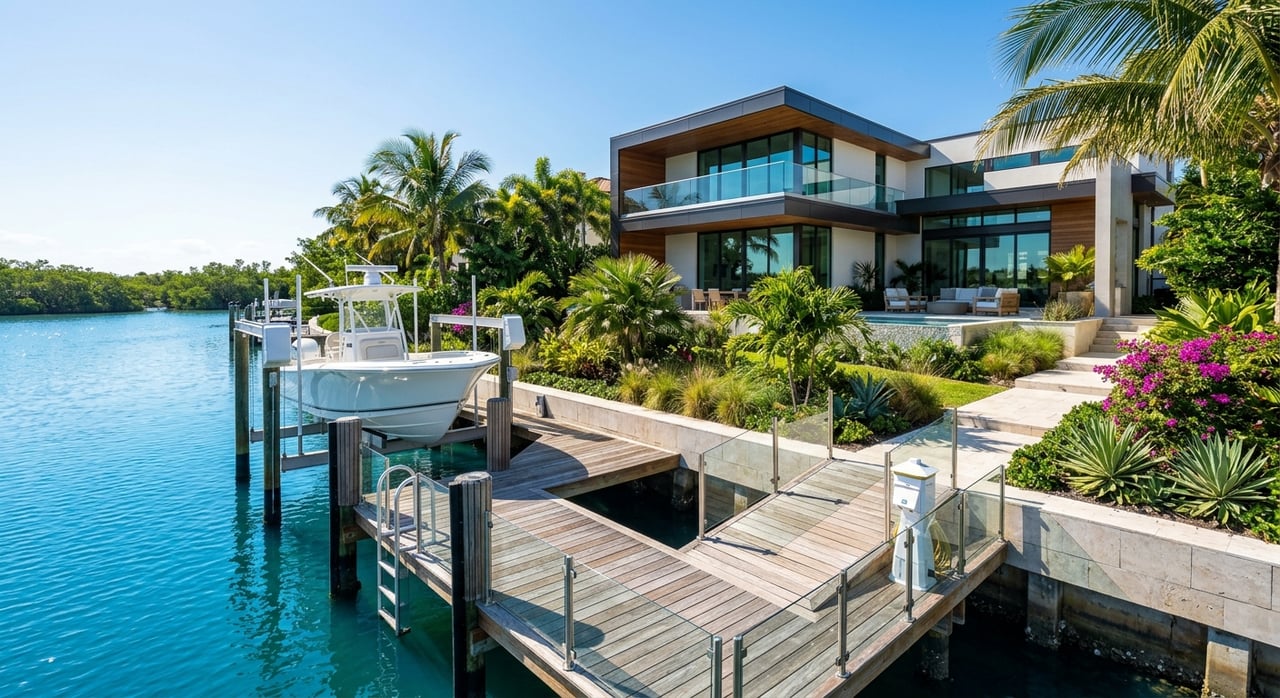
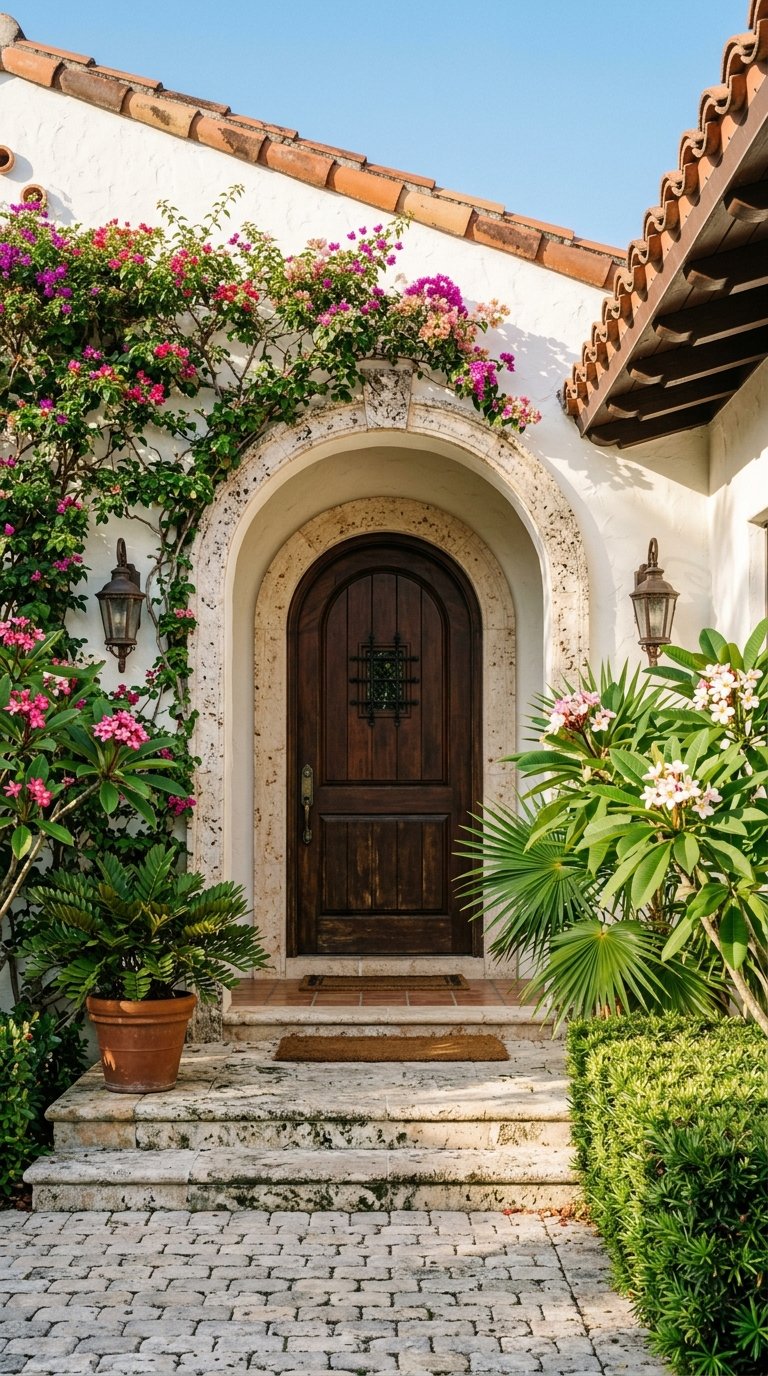
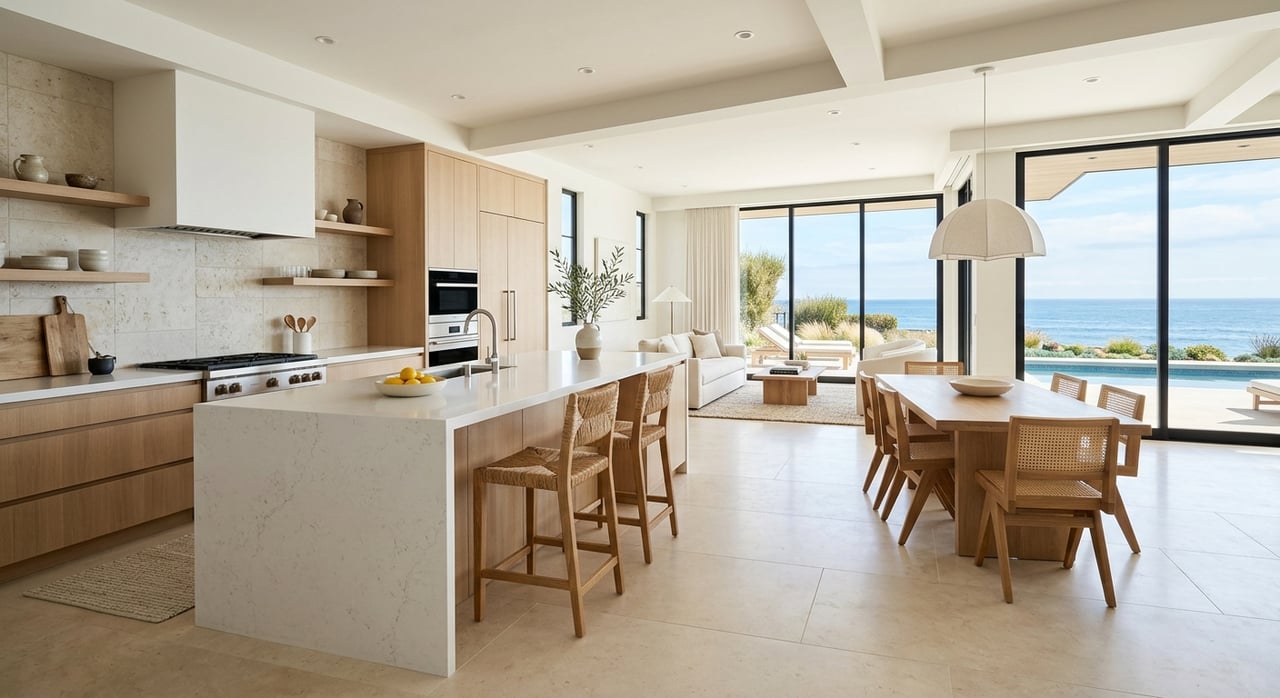
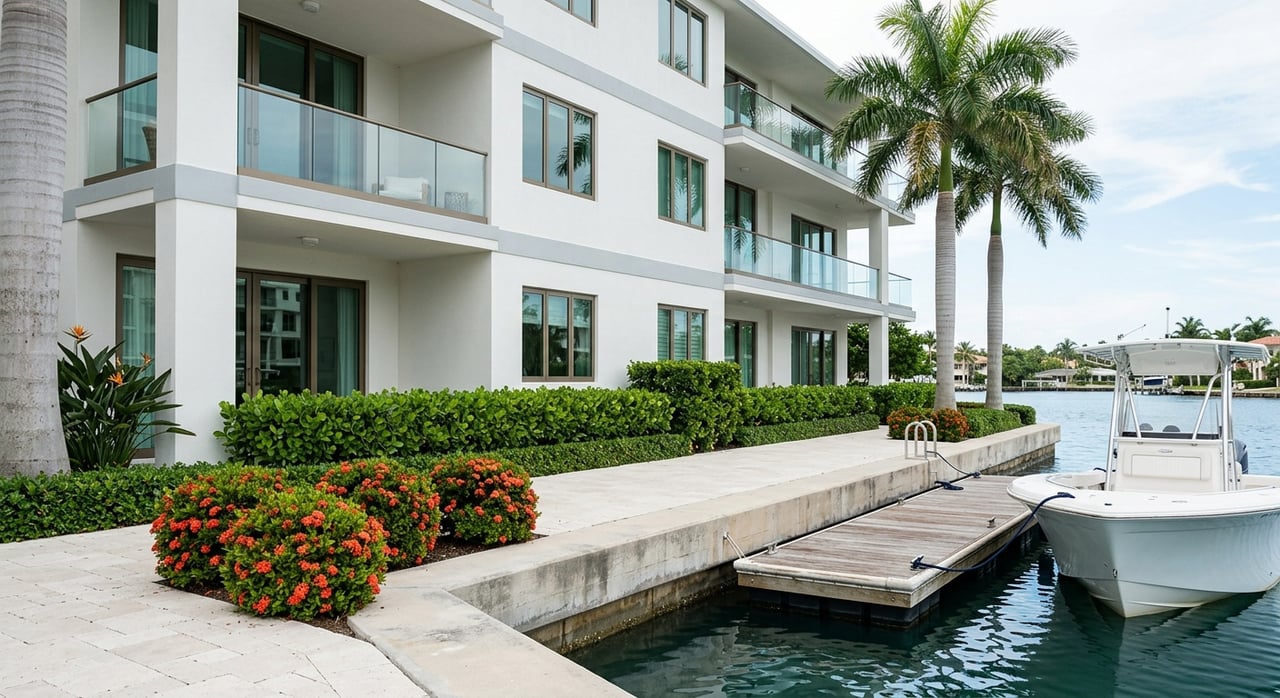
Whether by land or by sea, the properties and amenities in South Florida are of the highest quality, and this group of Real Estate Agents certainly follows suit.