Architectural Styles That Define Palm Beach Luxury Homes
July 9, 2026
July 9, 2026
What makes a Palm Beach luxury home feel unmistakably Palm Beach? Often, it comes down to architecture. If you are buying, selling, or simply studying the market, understanding the island’s defining styles can help you see value more clearly, anticipate upkeep, and recognize how design shapes daily living. Let’s dive in.
Palm Beach architecture is closely tied to Addison Mizner, who the Florida Department of State describes as Florida’s leading architect in the 1920s. His work helped establish the Spanish and Mediterranean Revival look that became a signature not just for Palm Beach, but for much of Florida.
His Everglades Club commission is widely seen as a turning point for the area’s architectural identity. From there, the Spanish-Mediterranean vocabulary spread across South Florida and became part of the luxury image many buyers still associate with Palm Beach today.
That legacy still matters because Palm Beach does not treat architecture as background scenery. The town has an active preservation structure, with landmarked and historically significant buildings reviewed by the Landmarks Preservation Commission and other exterior design work typically reviewed by ARCOM.
The town reports more than 328 protected landmark properties, sites, and vistas. For you as a buyer or owner, that means architectural style is not just aesthetic. It can also shape renovation timelines, exterior changes, and long-term stewardship.
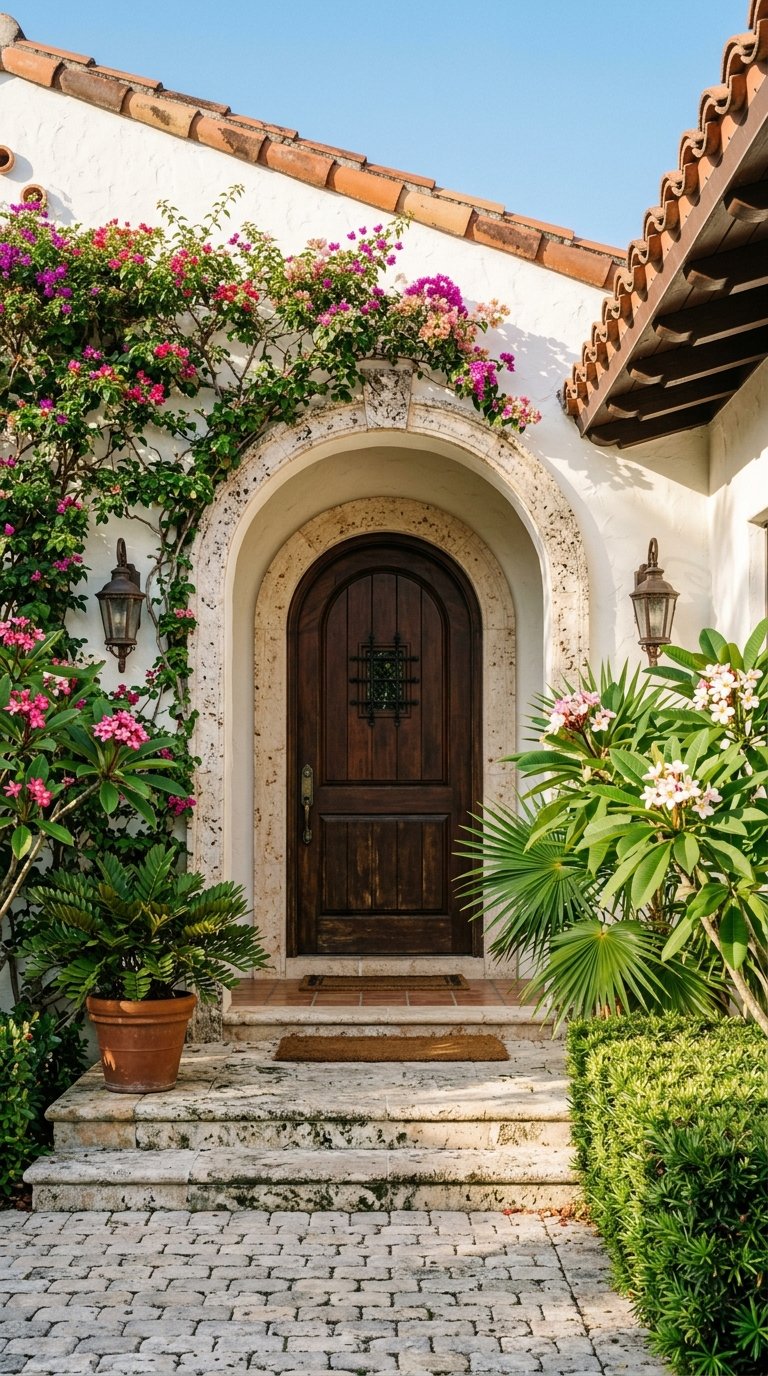
If one style best captures classic Palm Beach luxury, it is Mediterranean Revival. The Town of Palm Beach landmark manual describes it as drawing from Spanish, Italian, North African, and Moorish precedents.
You will often see features like asymmetrical facades, ornate stone or stucco carvings, clay barrel tile roofs, arches, ironwork, and arcaded porches. These details create a rich, layered appearance that feels formal and deeply rooted in place.
For many buyers, this style signals a certain lifestyle as much as a look. Arcades, porches, and courtyards often support indoor-outdoor living, while the rooflines and textured materials create a sense of privacy and presence from the street.
Part of the reason older Palm Beach estates feel so complete is that the design language often extended beyond the walls. The Preservation Foundation notes that Mizner Industries produced tiles, decorative pottery, wrought iron, furniture, and lighting fixtures to support Mizner’s projects.
That helps explain why many historic Mediterranean homes feel visually unified. The architecture, finishes, and decorative elements were often conceived as part of one coordinated vision rather than assembled piece by piece over time.
When you tour a Mediterranean Revival home, pay attention to original detailing. Limestone entries, carved stucco, ironwork, roof tiles, and wood doors all contribute to authenticity and value.
In Palm Beach, restorations often focus on preserving or reconstructing these defining elements. Homes that retain strong architectural character can stand out for their sense of permanence and craftsmanship.
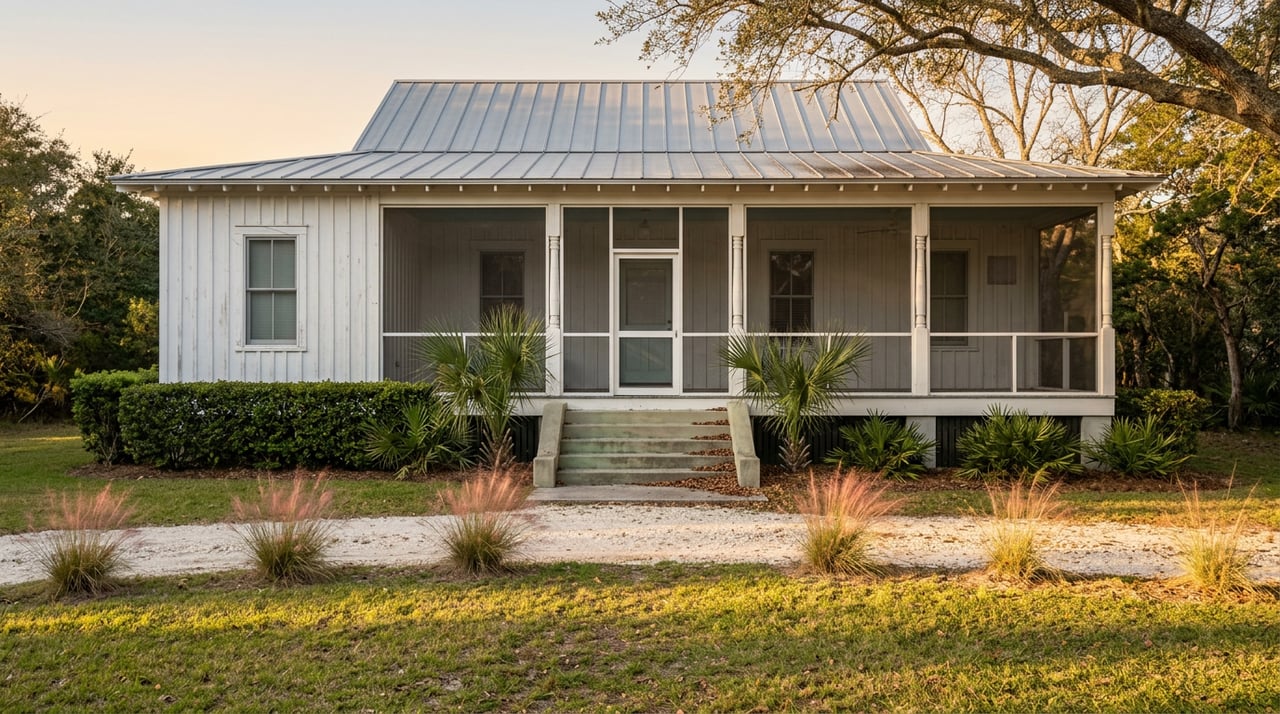
Not every iconic Palm Beach home is ornate. British Colonial architecture, also called Bermuda style in the town’s landmark manual, offers a more restrained coastal classic.
In Palm Beach, this style developed as a simplified version of Colonial Revival. Common features include steeply pitched roofs with flat cement tiles, shutters for storm protection, long verandas, small porches with upper balconies, pedimented dormers, quoins, and hip roofs.
The manual credits Howard Major and John L. Volk with popularizing the style locally. It remains an important part of the island’s architectural mix and appeals to buyers who want timeless design with a quieter visual profile.
Compared with Mediterranean Revival, Bermuda-style homes often feel lighter and more relaxed. The ornament is usually more limited, and the emphasis shifts to roof form, breezy verandas, and practical shutters.
That does not make the style less luxurious. Instead, it offers a different expression of Palm Beach living, one that often feels tailored to the coast without relying on heavier decoration.
Bermuda architecture continues to influence high-end design in Palm Beach. Even newer homes may borrow from it, especially when owners want a classic exterior that feels appropriate for the island while still supporting modern interiors.
That blend of tradition and livability is one reason the style remains relevant in the luxury market. It can read established and elegant without feeling overly formal.
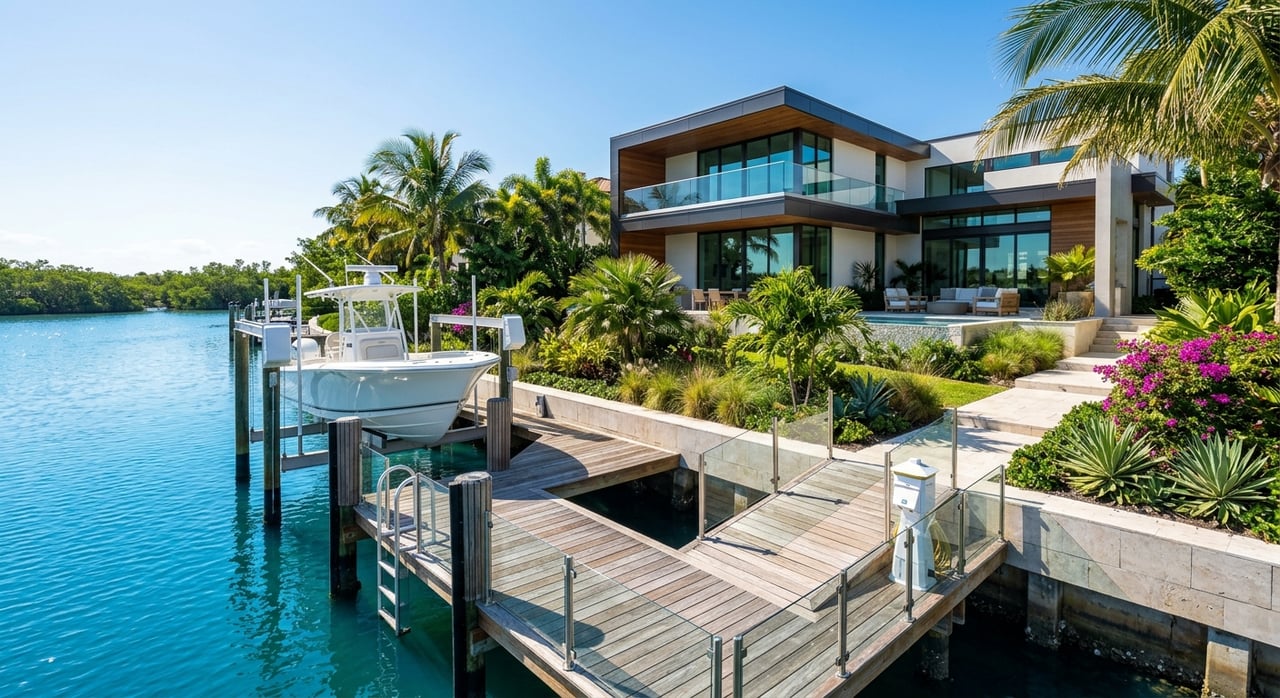
Palm Beach is not limited to revival architecture. The island also includes Art Moderne, modern, and contemporary homes that present a very different kind of luxury.
The Preservation Foundation describes Art Moderne as a 1930s offshoot of Art Deco shaped by streamlined planes, cars, and ships. Hallmarks include smooth surfaces, simple geometric forms, horizontal lines, glass blocks, porthole windows, and either rectilinear or curving forms.
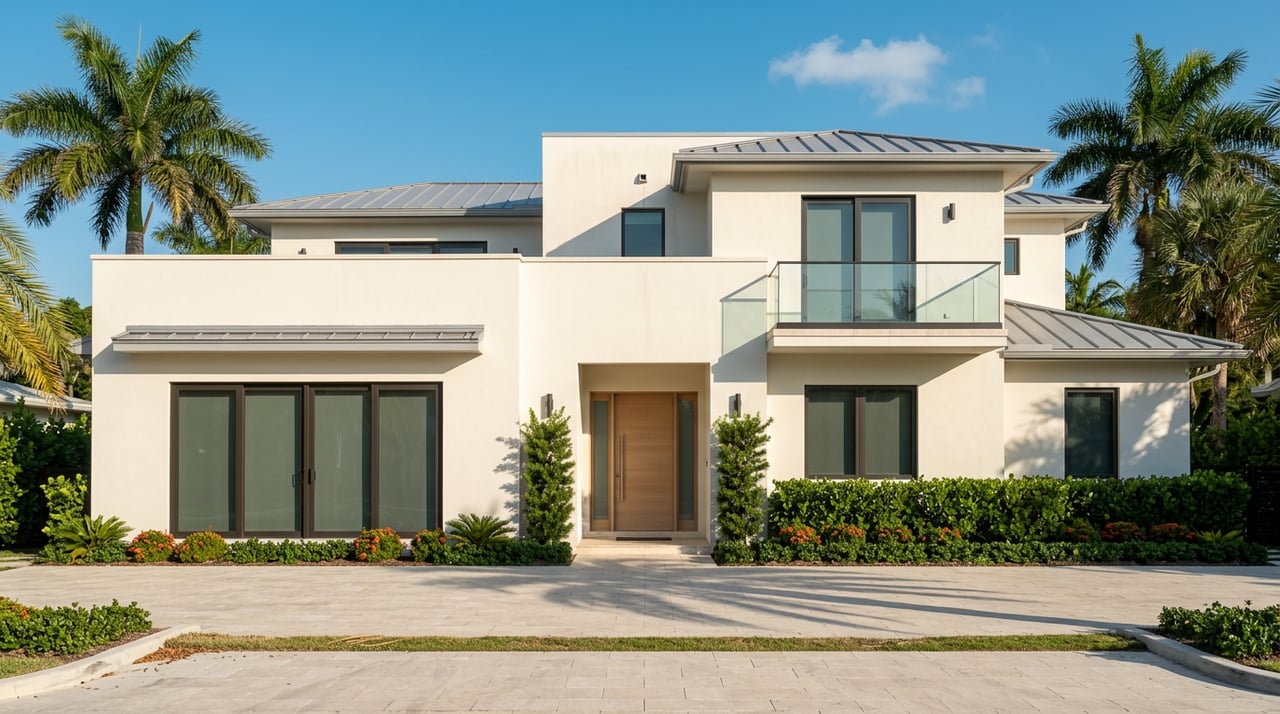
The town’s landmark manual adds that later modern Palm Beach houses often feature larger expanses of glass, flat roofs, stark white facades, and rectilinear compositions. These homes are less common on the island than revival styles, but important examples do exist.
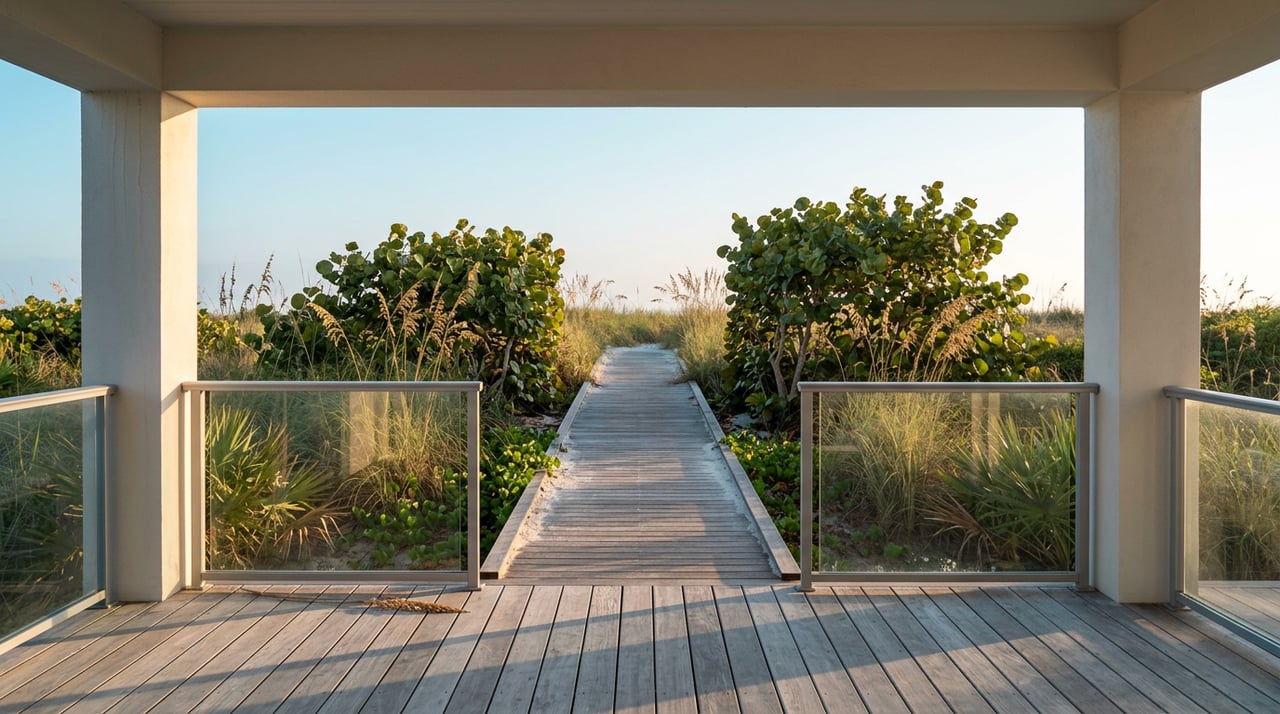
In many newer oceanfront homes, the design focus shifts from ornament to openness. Larger glass walls, broad entertaining areas, and strong indoor-outdoor flow often take priority over carved detail or historical references.
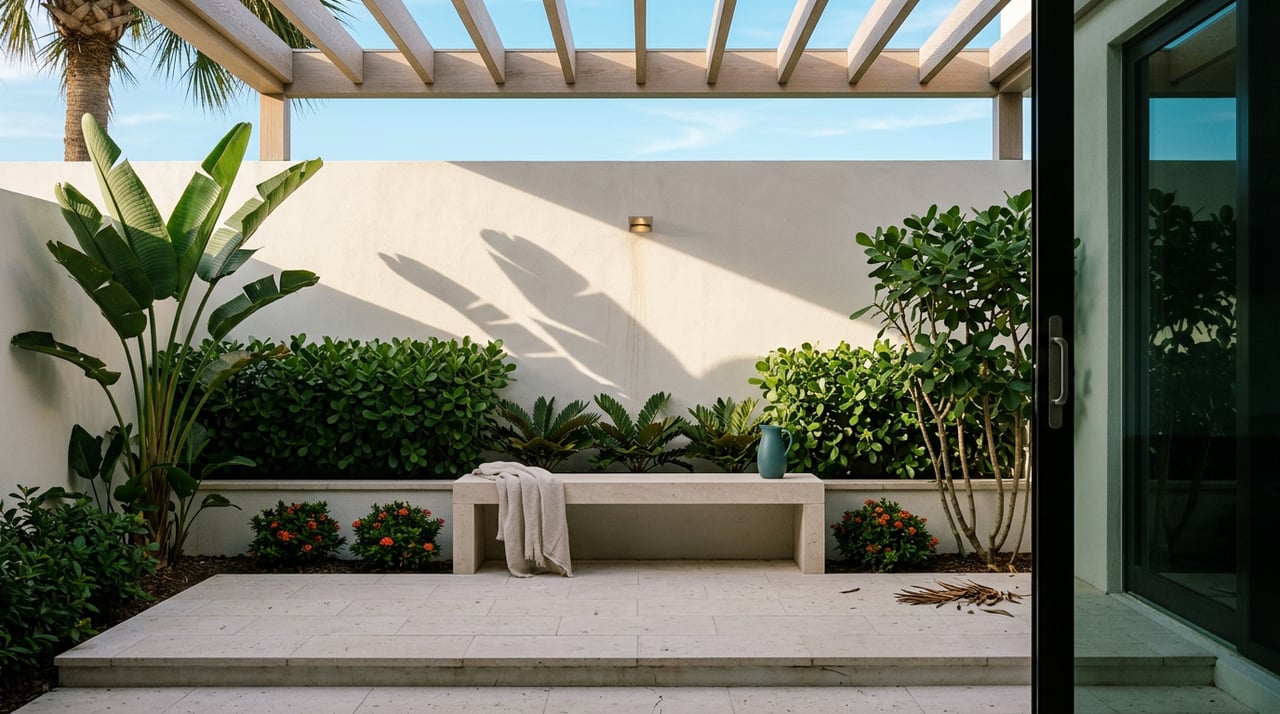
That design direction makes sense in a waterfront setting. Views, light, and circulation become central parts of the living experience, especially in homes designed around terraces, courtyards, and direct access to the shoreline.
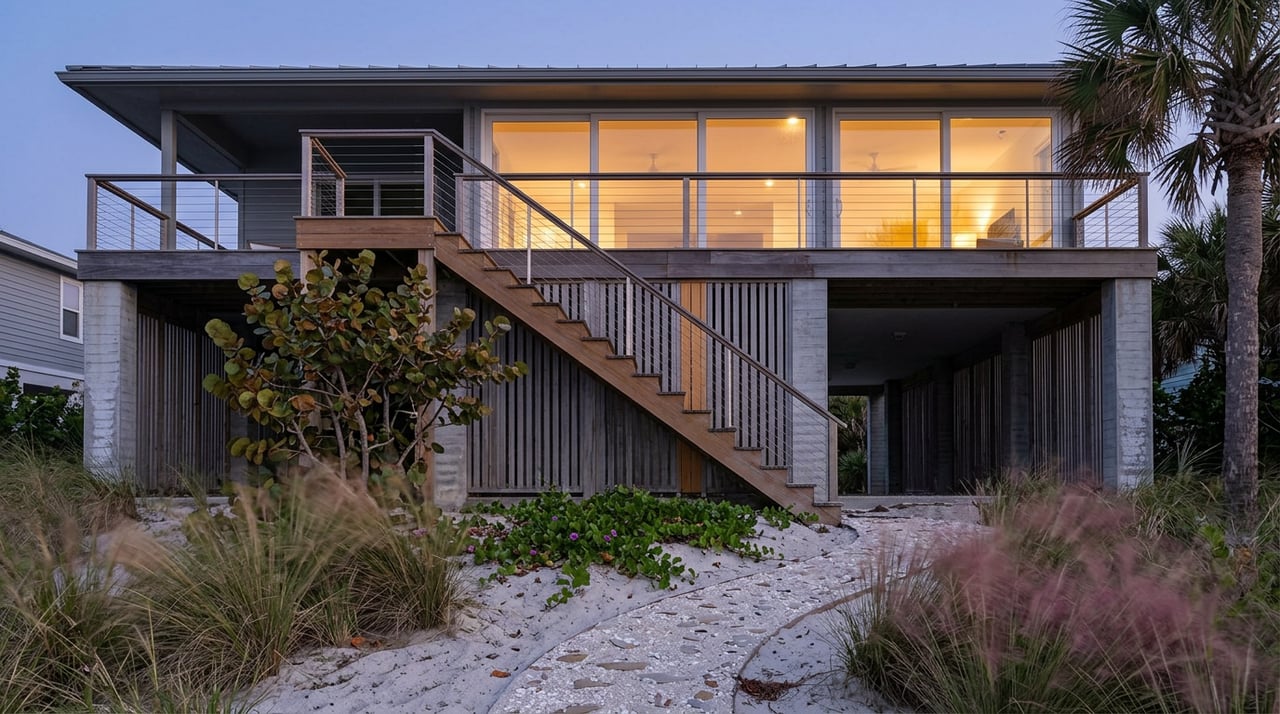
Some current Palm Beach estates combine architectural traditions instead of choosing only one. Recent oceanfront projects have paired Bermuda-style architecture with more modern planning, including resort-style courtyards, guest houses, and open living areas.
That blend reflects a broader truth about Palm Beach luxury. The market often values homes that respect local architectural language while adapting to how people live and entertain today.
If you want one name that helps explain Palm Beach’s architectural range, John Volk is a strong example. The Preservation Foundation says he perfected styles from Mediterranean Revival to Modern and paid close attention to composition and the relationship between a structure and its site.
That idea is useful when you evaluate luxury homes today. In Palm Beach, great architecture is not only about façade details. It is also about how a house sits on the lot, frames views, manages privacy, and responds to climate.
Palm Beach sits on a barrier island, and the town notes that it is continually affected by wind, waves, and moving sand. That coastal reality helps explain why oceanfront architecture here often balances beauty with durability, drainage, and resilience.
For you as a buyer or seller, this matters because style and maintenance are closely connected. The materials that create a home’s signature look also influence the kind of care that property will need over time.
Architectural style affects more than curb appeal. It can influence maintenance needs, preservation obligations, and the type of updates that make sense for the property.
Palm Beach’s landmark manual recommends annual roof and roof-drainage inspections. It also notes that barrel-tile, shingle, or concrete roofs without gutters may need more frequent inspection, and that barrel clay tiles can collect debris in their grooves.
For historic homes, the manual recommends rebuilding roofs with the same shape, pitch, materials, and covering. It also encourages repairing original masonry where possible, preserving historic windows and doors, and using historically correct replicas when replacement is necessary.
If you own a more ornate historic home, expect a hands-on approach to care. Salt exposure can push into concrete and stucco and lead to spalling, and the town advises against sandblasting while favoring historically accurate materials and paint colors.
That does not mean historic ownership is a burden. It means the home may ask for thoughtful maintenance in exchange for architectural distinction and long-term character.
Contemporary oceanfront homes usually reduce decorative restoration needs, but they bring a different maintenance profile. Large expanses of glass, waterproofing systems, drainage performance, and corrosion resistance become more important in a coastal setting.
In practical terms, the work does not disappear. It simply shifts from preserving ornate details to protecting modern materials and envelope performance.
Palm Beach has a highly structured review environment, and that is important to understand before you plan changes. According to the town, normal maintenance on landmarked properties does not require Landmarks Commission review, but exterior renovations and additions do.
The landmark manual also states that all new construction or exterior renovations in Palm Beach fall under ARCOM unless the property is a designated landmark. If you are evaluating a purchase with renovation in mind, that review path should be part of your planning from the start.
The town’s manual notes that much of the island was reclaimed from swamps, so some historic homes may show settling or unlevel floors that are not necessarily signs of structural failure. This is one reason Palm Beach purchases benefit from close, property-specific evaluation.
A home’s age, style, materials, and site conditions all matter. What looks concerning at first glance may be typical for the island, while a cosmetic issue in another property may point to larger deferred maintenance.
One helpful way to think about Palm Beach architecture is as a continuum. On one end, you have ornate Mediterranean Revival estates. In the middle, you find lighter Bermuda and British Colonial homes. On the other end, you see cleaner-lined modern and contemporary oceanfront properties.
Each style offers a different experience of luxury. Mediterranean homes tend to emphasize formality and craftsmanship. Bermuda homes often feel breezier and more restrained. Modern homes usually prioritize openness, view corridors, and easy indoor-outdoor flow.
For buyers, that means the right choice is not only about what looks best in photos. It is about how you want the home to live, how much maintenance you want to take on, and whether you value historical character, coastal simplicity, or modern transparency.
For sellers, architectural identity can be a major positioning advantage. When a home’s style is clear and authentic, it gives the property a stronger story in a market where design matters.
If you are weighing a historic estate, a Bermuda-inspired residence, or a newer oceanfront home, local guidance can help you connect style with value, upkeep, and long-term fit. To talk through Palm Beach luxury real estate with a team that understands how architecture and lifestyle intersect, connect with Hughes Browne Group.
Whether by land or by sea, the properties and amenities in South Florida are of the highest quality, and this group of Real Estate Agents certainly follows suit.